

Luke Homstad and his wife, Hope, live in Albertville, Minnesota. They’ve been together for more than 25 years and are raising three children together. Their lives changed dramatically in August 2024 when Luke began experiencing persistent stomach pain.
He first visited his primary care provider and was treated with medication, but his symptoms didn’t improve. At the time, Luke was working as a self-employed owner-operator truck driver, pushing through discomfort as long as he could.
By October 14, 2024, his condition had worsened significantly. Luke went to his local hospital, where testing revealed dangerously high calcium levels and a large buildup of fluid in his abdomen and lungs. His stomach was severely distended and extremely uncomfortable.
Luke had two liters of fluid drained and was referred to another hospital just days later. On October 18, an additional seven liters of fluid were removed. That day marked the last day Luke was able to work.
“The doctor at the hospital said, ‘Whatever you have has metastasized, and you need to get an oncologist,’” Hope recalled.
Finding the right care
Hope immediately contacted their insurance company to determine which cancer centers were in-network. They were given three options. After researching each one, she chose Minnesota Oncology and called the Maple Grove clinic to request the earliest possible appointment.
“Minnesota Oncology has been a Godsend to us,” Hope said. “We were able to get in so fast, and the clinic was close to our home. I called the clinic crying and asked the scheduler, ‘If this were your loved one, who would you connect us with? We have little kids.’”
The scheduler shared that Dr. Jesus Vera Aguilera (Dr. Vera) had an opening that same week.
A life-changing diagnosis
Initially, Luke’s care team suspected lung cancer due to the fluid that had been drained from his lungs. However, further testing revealed a different and rare diagnosis: bile duct liver cancer (cholangiocarcinoma) that had metastasized.
Luke had just turned 49.
Dr. Vera recommended next-generation sequencing, which revealed an IDH1 mutation. After learning more about Luke’s specific mutation, Dr. Vera informed the team about an international clinical trial exploring a novel targeted therapy that combines this targeted approach with conventional chemotherapy. Unfortunately, this clinical trial was not accessible in Minnesota. Given the urgency of Luke's situation, Dr. Vera consulted with colleagues at Minnesota Oncology, and they decided to proceed with a new combination treatment, taking into account Luke’s young age and the advanced stage of his cancer.
“Everyone at Minnesota Oncology has been amazing,” Hope said. “Dr. Vera is the most caring oncologist. We’ve never felt like just patients—we feel heard, listened to, and truly cared for. He went above and beyond to get answers and always gets back to us quickly. His nurse, Sydney, has also been incredibly important and caring to our family.”
Holding onto joy and finding support
At the time of Luke’s diagnosis, their youngest child had just turned four, their middle child was 15, and their oldest was 20.
“Our youngest has been such a blessing through all of this,” Hope said. “Kids bring joy and remind you that life still has to go on.”
Because Luke was self-employed, he did not qualify for unemployment benefits, and Hope is a stay-at-home mom. Minnesota Oncology’s social work team stepped in and connected the family with the Angel Foundation™, a nonprofit that provides financial, emotional and educational support to cancer patients and their families.
“We received help for groceries and gas, and that took a huge burden off of us,” Hope said.
Remarkable progress and renewed hope
Luke initially remained on the targeted oral therapy until a PET scan last summer showed disease growth. At that point, his treatment plan expanded to include the same oral medication along with two chemotherapy agents and immunotherapy.
His most recent PET scan showed a near-complete response, which is not common to see with this particular type of cancer.
Early in treatment, Luke required frequent blood transfusions and regular fluid drainage. Today, he no longer needs either, and his last drainage was more than six months ago.
“He’s doing amazing,” Hope said. “He is Dr. Vera’s miracle patient.”
As Luke continues to regain strength, the next step may include targeted radiation to the area where the cancer originated in the bile duct of the liver. However, if upcoming scans continue to show progress, the care team is hopeful radiation may not be needed. The goal would then be to reduce treatment to one oral medication plus immunotherapy and pause chemotherapy.
Hope reflected on how far they’ve come. “Patients with Luke’s diagnosis are often told they may only have weeks to months. We’re now about a year and a half post-diagnosis. Staying positive is huge, and Dr. Vera has always emphasized that. After the first day, we never asked how long we had.”
Luke was referred to Minnesota Oncology’s palliative care team for pain management support. Hope said they were at first fearful when they heard the term palliative care but now understand what palliative care provides. “It is scary to hear that, but palliative care is not hospice. They are here to help with managing pain and other symptoms, and the palliative care team has been so helpful with that,” Hope said.
A message for others facing cancer
Hope’s advice for others going through a similar journey is to never give up and make sure your voice is heard.
“Minnesota Oncology listens. You are heard. Any concern you have, they do their best to answer it,” she said. “I am so thankful for everyone at Minnesota Oncology – Dr. Vera, Sydney, the schedulers, infusion nurses, everyone at the Maple Grove clinic. You feel at home there, which is hard to do when you are going through treatment. Minnesota Oncology treats you like family.”
“I’m grateful every day that Luke is here,” Hope added. “I would refer anyone I know to Minnesota Oncology. You couldn’t feel more cared for and safe than at Minnesota Oncology.”
Share
Categories
Tags
Recent Posts
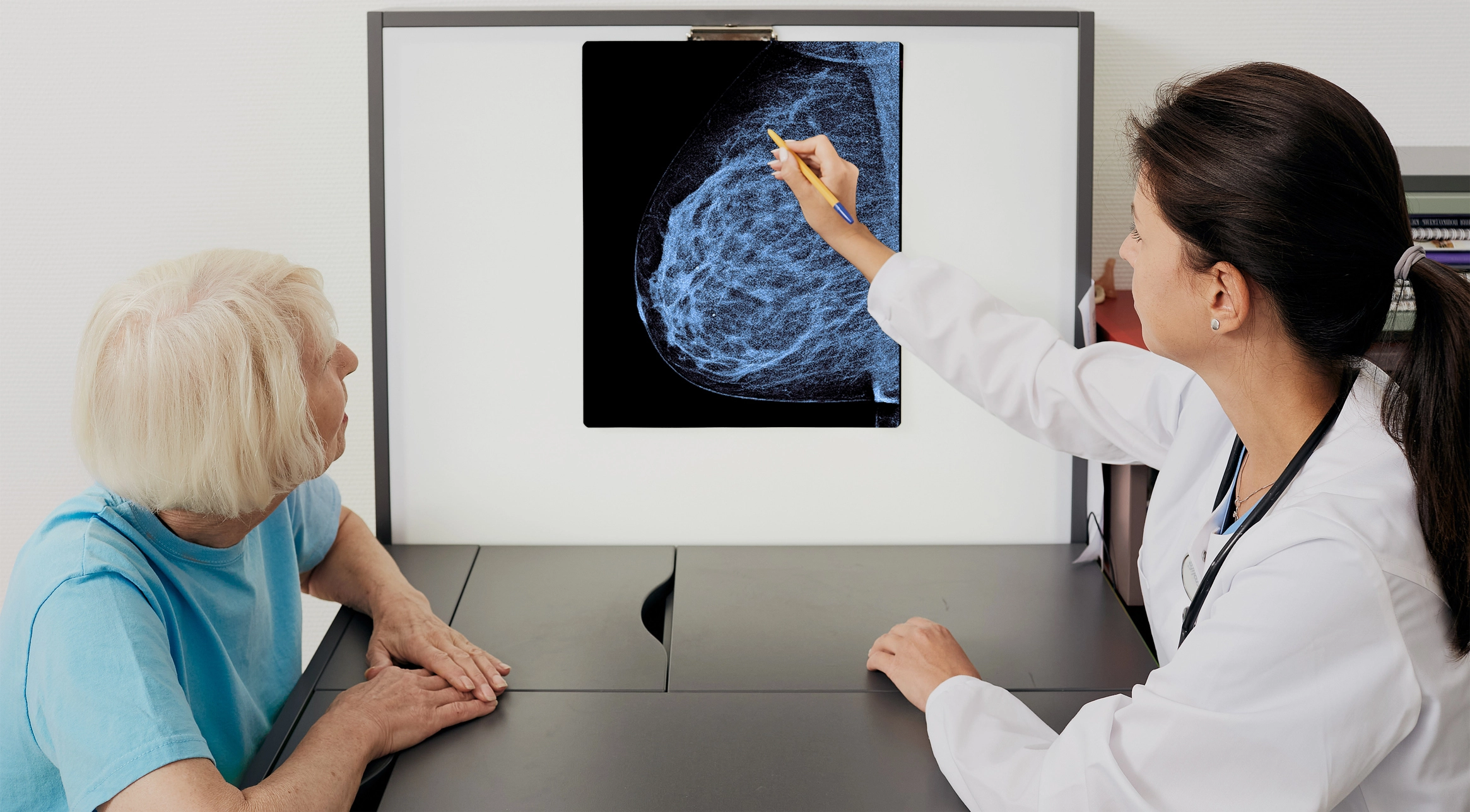
Dense breast tissue can affect how breast cancer appears on a mammogram and may increase breast cancer risk. Learn about breast density, mammogram results, additional screening options, and questions to discuss with your healthcare provider.

Learn about metastatic breast cancer, also known as stage IV breast cancer, including treatment options and clinical trials available through Minnesota Oncology.

Understanding your breast cancer risk can help you make informed decisions about screening and early detection. Learn about risk factors and personalized breast cancer screening options.