
What is Bispecific Antibody Therapy?
Bispecific antibody therapy is a groundbreaking advancement in cancer treatment that targets cancer cells using the patient’s immune system. This therapy is an innovative treatment option for patients with conditions that may be resistant to other treatment options.
How Do Bispecific Antibodies Work?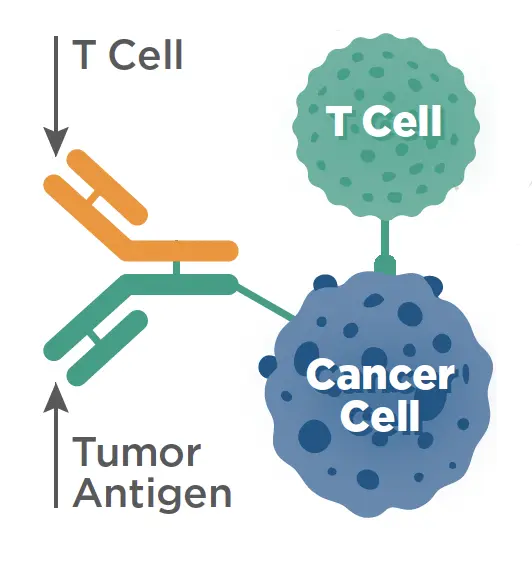
Bispecific antibodies work by directing the patient’s immune cells to the cancers cells, helping the immune system work more effectively. Once the antibodies are delivered into the body, they bind to two targets—one side attaches to the cancer cell, and the other connects with the immune cell—bringing them together to trigger a more focused immune response.
Bispecific antibodies can be administered by injection or infusion, either in a hospital or at an outpatient infusion center. During initial treatments, patients receive gradually increasing doses to help minimize side effects. After this phase, treatments typically continue at regular dosing intervals. Bispecific antibodies are used in both the malignant heme and in various solid tumors with more indications being studied and approved.
Benefits of Bispecific Antibody Therapy
- Targeted, Precise Immune Response
Bispecific antibodies directly bind immune cells to cancer cells, facilitating a more accurate immune response. - Improved Outcomes
Studies show that bispecific antibodies have improved outcomes for multiple cancer types, including small cell lung cancer and blood cancers.
Side Effects of Bispecific Antibody Therapy
Because of the nature of this treatment and how it differs from traditional chemotherapy Minnesota Oncology does have requirements early in your therapy.
- 24/7 caregiver support during the first few weeks of step-up dosing and administration.
- Dedicated education visit w/ a nurse to review side effect and monitoring requirements, your caregiver must attend this training/education.
- You must be within 60 minutes of the metro area during the first few weeks of step-up dosing for close monitoring and observation visits at Minnesota Oncology clinics.
Cytokine Release Syndrome (CRS) (a temporary immune reaction that can cause fever, low blood pressure or difficulty breathing), neurological symptoms, infections, and low blood counts.
Immune Effector Cell-Associated Neurotoxocity Syndrome (ICANS). This is a rare but serious side effect of bispecific therapy that can occur from the first few days to weeks following the start of administration.
If you have questions about bispecific therapy or its potential side effects, please consult your provider.