
VIRGINIA PIPER CANCER INSTITUTE® — MERCY & UNITY HOSPITALS
 |
Acupuncture 101
Tuesday, July 26, 2016 | 4:30-5:30 p.m.
Virginia Piper Cancer Institute – Mercy Hospital
Mercy Specialty Center | 11850 Blackfoot St. NW | Ste. 130, Coon Rapids, MN 55433 | Large conference room
Facilitator: Matthew Peterson, Lac, M.OM., D.OM.
Acupuncture is part of an ancient medical system called traditional Chinese medicine. Acupuncture moves Qi (pronounced “chee”). Qi is energy that moves through your body along channels. When you are healthy, Qi moves freely. When you are in pain, sick or emotionally upset, the Qi can become stuck. Acupuncture unlocks this stuck Qi and can support your body’s ability to heal. As a way to support survivorship, participants will receive general information on acupuncture, be able to ask questions, and may also receive a sample of needling from the acupuncturist. The acupuncturists at Allina Health are certified by the National Certification Commission for Acupuncture and Oriental Medicine and are licensed by the Minnesota Board of Medical Practice.
This class is FREE to patients with cancer and their caregivers. Registration is required. Please call 763-236-5607 allinahealth.org/cancer
211568 0616 ©2016 ALLINA HEALTH SYSTEM. ALLINA HEALTH AND PENNY GEORGE ARE TRADEMARKS OF ALLINA HEALTH SYSTEM. VIRGINIA PIPER CANCER INSTITUTE IS A
REGISTERED TRADEMARK OF ALLINA HEALTH SYSTEM.

Share
Categories
Tags
Recent Posts
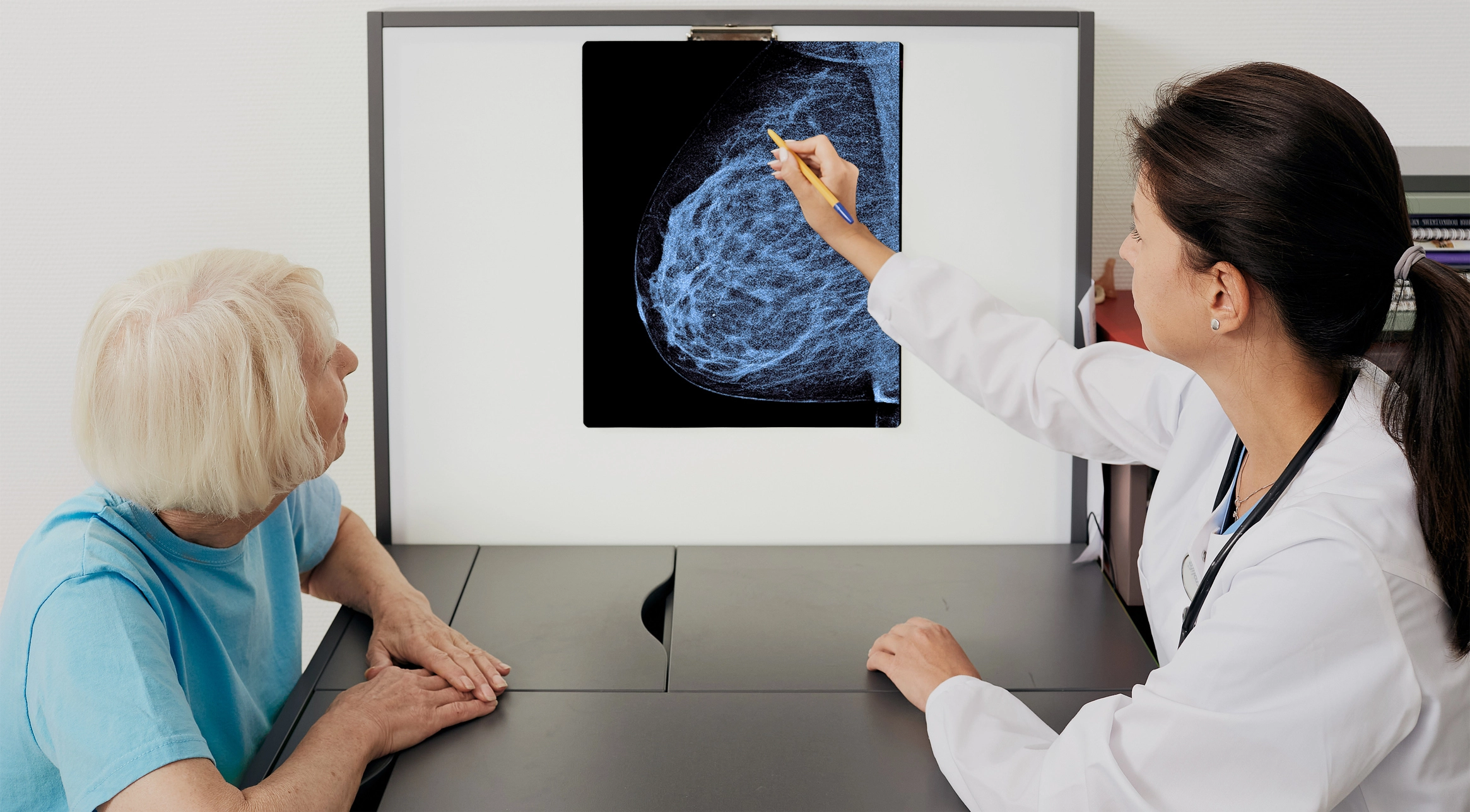
Dense breast tissue can affect how breast cancer appears on a mammogram and may increase breast cancer risk. Learn about breast density, mammogram results, additional screening options, and questions to discuss with your healthcare provider.

Learn about metastatic breast cancer, also known as stage IV breast cancer, including treatment options and clinical trials available through Minnesota Oncology.

Understanding your breast cancer risk can help you make informed decisions about screening and early detection. Learn about risk factors and personalized breast cancer screening options.