
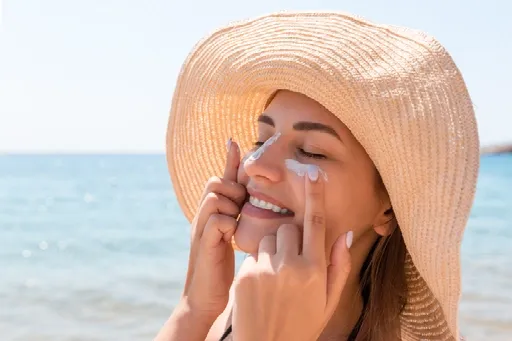
May is Skin Cancer Awareness Month, a reminder to protect your skin and watch for early signs of skin cancer. Skin cancer is the most common cancer in the United States, with more than 5 million cases diagnosed each year.
Risk Factors
Several factors can increase your risk of developing skin cancer, including:
-
UV radiation exposure: Exposure to ultraviolet (UV) rays from the sun or tanning beds is the leading risk factor for skin cancer.
-
Fair skin: People with fair skin, freckles, light-colored eyes, or red or blond hair are at higher risk.
-
Climate and geography: Living in sunny or high-altitude climates can increase UV exposure.
-
Moles: Having many moles or unusual-looking moles may increase melanoma risk.
-
Age: The risk of skin cancer increases with age.
-
Personal or family history: A history of skin cancer, especially melanoma, can increase risk.
-
Weakened immune system: People with weakened immune systems may be more susceptible to skin cancer.
Signs and Symptoms
If you notice changes in your skin, it’s important to talk with a healthcare provider. Warning signs may include:
-
Firm, pale, or yellow scar-like areas
-
Raised reddish patches that may itch
-
Rough or scaly red patches
-
Raised growths or lumps, sometimes with a lower area in the center
-
Open sores that do not heal
-
New or changing moles
Watch for the ABCDE signs of melanoma:
-
Asymmetry
-
Border irregularity
-
Color changes or uneven color
-
Diameter larger than 6 mm
-
Evolving size, shape, or appearance
Self-Exams
Check your skin regularly for any new or changing spots, moles or growths. Use a hand mirror to examine hard-to-see areas or ask someone you trust to help. If you notice changes or have concerns, schedule an appointment with your doctor.
Prevention Tips
Taking steps to protect your skin can help lower your risk of skin cancer.
-
Cover up outdoors: Wear protective clothing, hats, and long sleeves when possible.
-
Avoid tanning beds: UV exposure from tanning beds can significantly increase skin cancer risk.
-
Wear sunscreen daily: Use a broad-spectrum sunscreen with SPF 30 or higher and reapply as directed.
-
Seek shade: Limit direct sun exposure, especially during peak afternoon hours.
-
Protect your eyes: Wear sunglasses that block UV rays to help protect the sensitive skin around your eyes.
Know Your Skin
Early detection matters. Paying attention to changes in your skin and practicing sun safety can help reduce your risk and support earlier treatment if skin cancer develops.
Share
Categories
Tags
Recent Posts
Understanding your breast cancer risk can help you make informed decisions about screening and early detection. Learn about risk factors and personalized breast cancer screening options.

Learn about the common signs and symptoms of lymphoma and leukemia, including fatigue, swollen lymph nodes, unexplained bruising, frequent infections, fever, and other changes that may warrant medical evaluation.
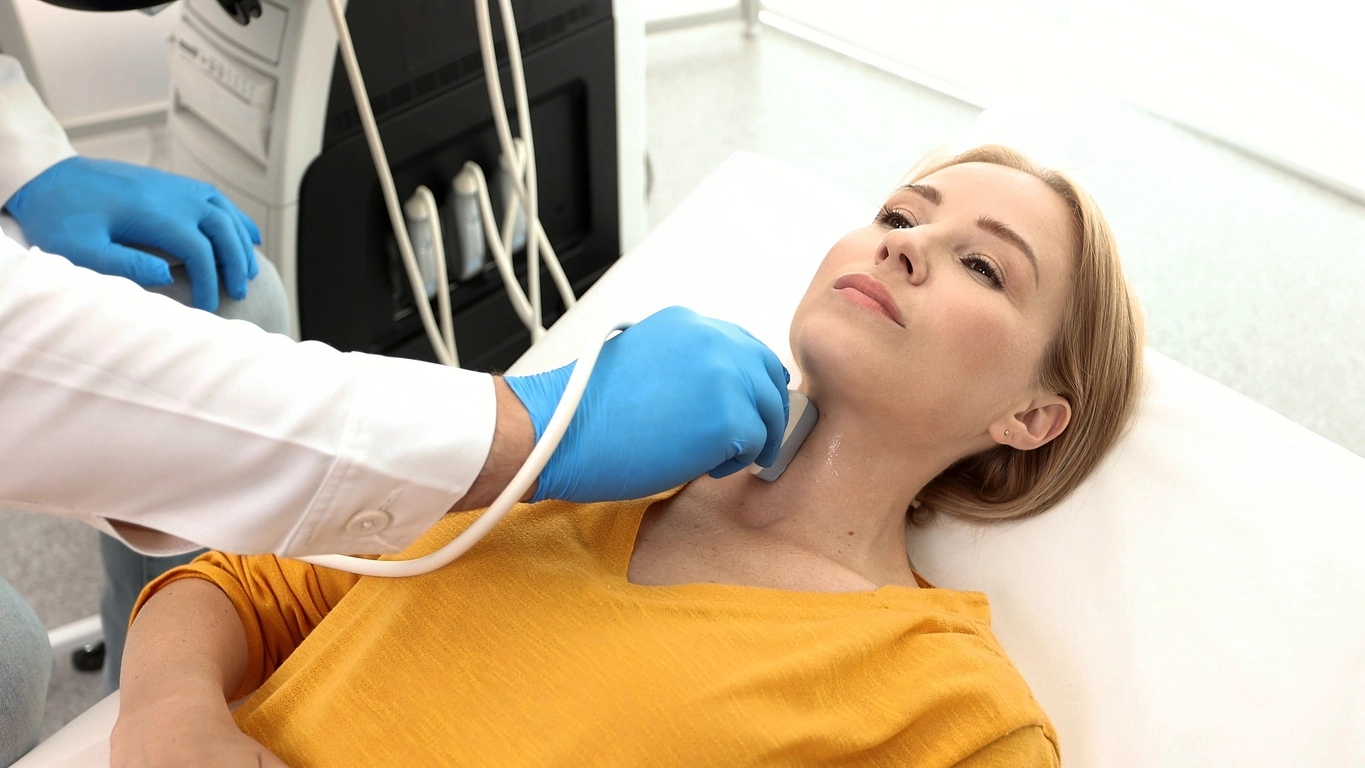
Learn about thyroid cancer, including common signs and symptoms, risk factors, and treatment options. Learn when to talk with your doctor about concerning symptoms.