
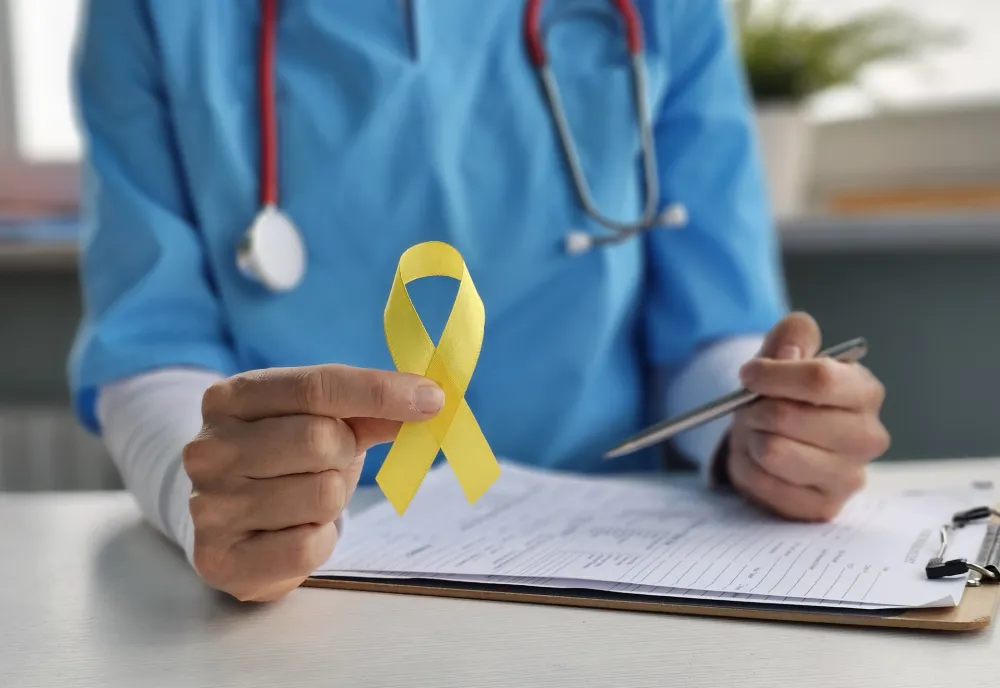
July is Sarcoma Awareness Month, making it the perfect time to learn more about this rare type of cancer. While most lumps and bumps are harmless, it's important to recognize the warning signs of sarcoma and know when to seek medical attention.
A sarcoma is a rare type of cancer that develops in the body's connective tissues, including fat, blood vessels, muscles, nerves, bones, tendons, deep skin tissue, and cartilage. Approximately 15,000 new cases of sarcoma are diagnosed each year in the United States. Although sarcomas account for only about 2% of adult cancers, they are among the more common cancers diagnosed in children, representing 20% to 25% of childhood cancer diagnoses.
Sarcomas are generally grouped into two categories:
-
Soft tissue sarcomas
-
Bone sarcomas
Because these cancers are rare and can develop almost anywhere in the body, they can be difficult to diagnose. Every diagnosis is unique, and treatment recommendations depend on the type, stage, and location of the tumor.
Signs and Symptoms of Sarcoma
Sarcomas can often be overlooked, making it important to pay attention to changes in your body. Common warning signs include:
Lumps or Bumps
Be aware of a lump that:
Is larger than two inches
Continues to grow over time
Develops deep beneath the skin
May or may not be painful
Pain
Sarcomas do not always cause pain, but you should talk with your healthcare provider if you experience:
-
Pain without a recent injury or increase in activity
-
Pain that worsens at night or after resting
-
Pain that persists in one area for more than a month
Other signs of sarcoma may include:
-
A growing lump or bump
-
Persistent pain that doesn't go away
-
Discomfort when moving part of the body
-
An unexplained increase in pain after an injury
When to See a Doctor
Most lumps and bumps are not cancerous, but they shouldn't be ignored if they continue to grow or cause ongoing pain. If you notice any of these symptoms, schedule an evaluation with your healthcare provider.
Early detection is important. Seeking medical attention as soon as possible can improve treatment options and outcomes.
Treatment Options
Treatment for sarcoma is personalized and depends on the type, location, and stage of the cancer. Your oncology team will develop a treatment plan based on your individual diagnosis.
Treatment may include:
-
Surgery
-
Radiation therapy
-
Chemotherapy
-
Targeted therapy
-
Clinical trials, when appropriate
At Minnesota Oncology, our specialists work closely with each patient to develop a personalized treatment plan and provide compassionate care throughout every stage of treatment.
Share
Categories
Tags
Recent Posts

Learn about the common signs and symptoms of lymphoma and leukemia, including fatigue, swollen lymph nodes, unexplained bruising, frequent infections, fever, and other changes that may warrant medical evaluation.
Learn about thyroid cancer, including common signs and symptoms, risk factors, and treatment options. Learn when to talk with your doctor about concerning symptoms.

Julie Sowles shares her journey with Stage IV endometrial cancer, from her initial diagnosis and intensive treatment to recurrence and participation in clinical trials. With the support of her family and care team at Minnesota Oncology, Julie continues exploring new treatment options and looking toward the future with hope.