
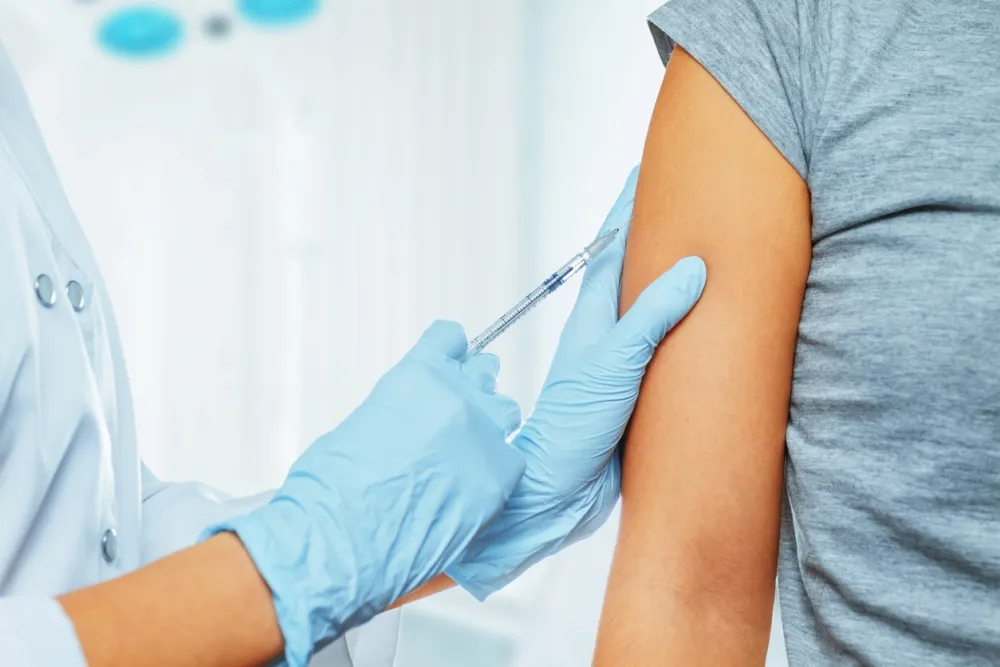
If you're undergoing cancer treatment, you may be wondering whether it's safe to get vaccinated. The answer is often yes, but the type of vaccine you need and the best time to receive it can depend on your treatment. Because cancer and some cancer treatments can weaken your immune system, staying up to date on vaccines your care team recommends can help protect you from serious illness. Your oncology team can help you decide which vaccines are right for you.
Why Are Vaccines Important During Cancer Treatment?
Cancer treatment can make it harder for your body to fight infections. That means illnesses like COVID-19, the flu, pneumonia, and respiratory syncytial virus (RSV) can be more serious than they would be for someone with a healthy immune system.
While vaccines cannot prevent every illness, they can help lower your risk of serious illness and hospitalization from diseases they are designed to prevent. Even if your immune system does not respond as strongly to a vaccine during treatment, getting vaccinated can still provide important protection. Staying up to date on recommended vaccines is one way to help protect your health during cancer treatment.
Which Vaccines Might I Need?
Not everyone needs the same vaccines. Your recommendations will depend on your age, medical history, vaccination history, cancer type, and treatment plan. Your healthcare team may recommend vaccines such as:
-
COVID-19 vaccine: Staying up to date on recommended COVID-19 vaccination can help protect against severe illness. Your oncology team can help determine when vaccination fits best with your treatment.
-
Flu vaccine: An injectable flu vaccine is recommended each year.
-
Pneumococcal vaccine: Pneumococcal vaccination can help protect against infections caused by pneumococcal bacteria, including some types of pneumonia.
-
RSV vaccine: Some people with cancer may benefit from RSV vaccination based on their age and individual risk factors.
-
Shingles vaccine: Your care team may recommend the shingles vaccine based on your age, health history, and treatment.
-
Other vaccines: Depending on your individual needs, your care team may also recommend vaccines such as Tdap, hepatitis B, or HPV.
When Should I Get Vaccinated?
If possible, it is best to get vaccinated before starting cancer treatment, so your immune system has the strongest response. If you have already started treatment, many non-live vaccines can still be given safely. Your oncology team can recommend the best timing based on your treatment plan.
Some vaccines contain weakened live viruses and may not be recommended while your immune system is significantly weakened. Patients who receive a stem cell transplant or CAR T-cell therapy may also need a different vaccination schedule after treatment.
Talk with Your Oncology Team
Everyone's situation is different, so there is not a single vaccination plan that works for everyone during cancer treatment. Your oncology team can recommend which vaccines are right for you and the best time to receive them based on your treatment and overall health.
If you have questions about vaccines during cancer treatment, talk with your Minnesota Oncology care team. They can help you create a vaccination plan that fits your individual needs.
Share
Categories
Tags
Recent Posts
Learn about thyroid cancer, including common signs and symptoms, risk factors, and treatment options. Learn when to talk with your doctor about concerning symptoms.

Julie Sowles shares her journey with Stage IV endometrial cancer, from her initial diagnosis and intensive treatment to recurrence and participation in clinical trials. With the support of her family and care team at Minnesota Oncology, Julie continues exploring new treatment options and looking toward the future with hope.

Learn how inherited genetic factors and family history may affect your risk of ovarian cancer, including the role of BRCA1, BRCA2, and Lynch syndrome, and when genetic counseling or testing may be recommended.