
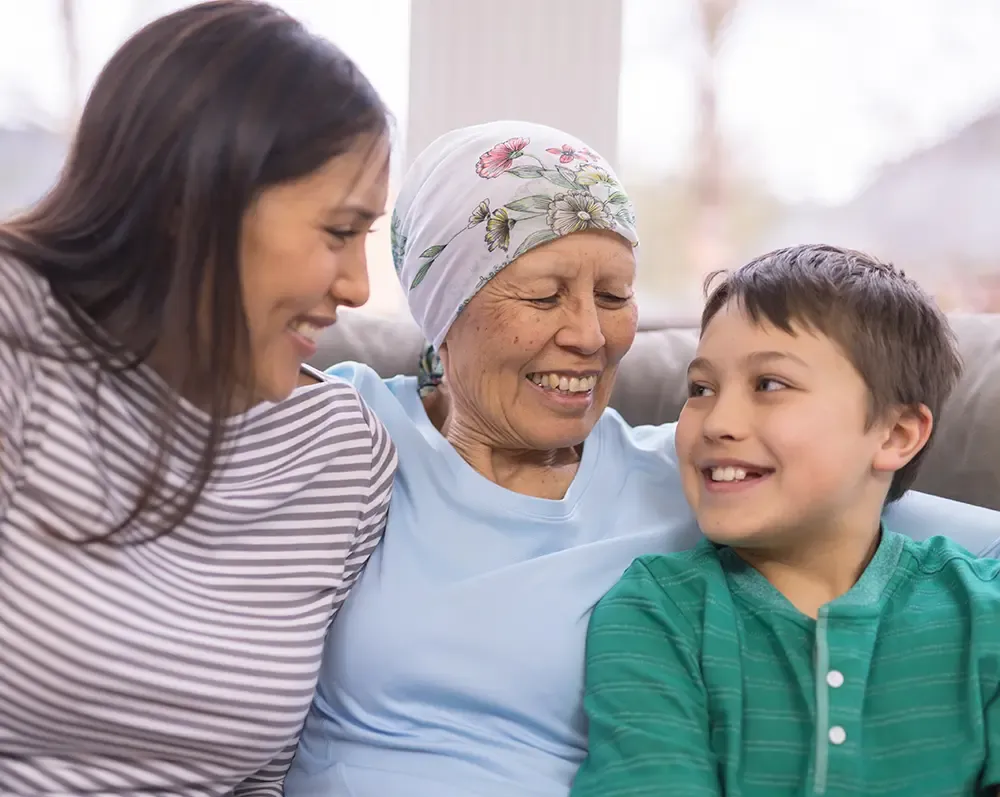
There’s some very encouraging news to share. The American Cancer Society recently published data in its journal, A Cancer Journal for Clinicians, showing that seven out of ten people now survive at least five years after a cancer diagnosis. To put that into perspective, in the 1970s only about half of people lived five years or longer after being diagnosed with cancer. By the mid-1990s, that number had increased to 63 percent. Today, survival continues to improve.
One major reason for this progress is earlier detection. We know that the earlier cancer is found, the better treatments work and the higher the chance of survival. This is why cancer screening is so important. Mammograms for breast cancer, colonoscopies for colorectal cancer, Pap smears for cervical cancer, and exams and blood tests for prostate cancer all help detect cancer before symptoms appear. Earlier detection leads to more effective treatment, and ultimately, better outcomes.
Another key reason people are living longer is that cancer treatments have improved. Medical research takes time, and we are now seeing the benefits of decades of careful study and clinical trials. Over the course of my career, I have seen cancers that were once considered death sentences become manageable, chronic conditions. In many cases, the risk of cancer coming back has dropped dramatically, from over 50 percent to less than 10 percent. These improvements are not always due to more chemotherapy. Often, they come from a better understanding of how cancer spreads and how to reduce the chance it will return. One important advance has been the use of immunotherapy, which helps the body’s own immune system recognize cancer cells as foreign and attack them more effectively.
Lifestyle factors also play an important role. We now know that alcohol is a carcinogen, and no amount is truly risk-free. Smoking has long been known to increase cancer risk, and fewer people smoke today than in the past. Many people are also eating healthier diets, staying more physically active, and avoiding sedentary lifestyles. These changes, both individually and across the population, contribute to better cancer outcomes.
This progress represents an important milestone in the fight against cancer and is something worth celebrating. It reflects the impact of scientific advances, early detection, and the choices patients make in their everyday lives. Together, these factors are helping people with cancer live longer and, in many cases, beat the disease.

About the author:
Nisha Jacobs, MD, is an oncologist and hematologist at Minnesota Oncology’s Maple Grove and Coon Rapids locations.
She has a special interest in gastrointestinal malignancies, breast cancer, prostate and renal cell carcinoma, lung malignancies, and benign and malignant hematology.
Dr. Jacobs has been named repeatedly to the Minnesota Monthly Top Doctors for Women and Best Doctors lists.
Share
Categories
Tags
Recent Posts

Julie Sowles shares her journey with Stage IV endometrial cancer, from her initial diagnosis and intensive treatment to recurrence and participation in clinical trials. With the support of her family and care team at Minnesota Oncology, Julie continues exploring new treatment options and looking toward the future with hope.

Learn how inherited genetic factors and family history may affect your risk of ovarian cancer, including the role of BRCA1, BRCA2, and Lynch syndrome, and when genetic counseling or testing may be recommended.
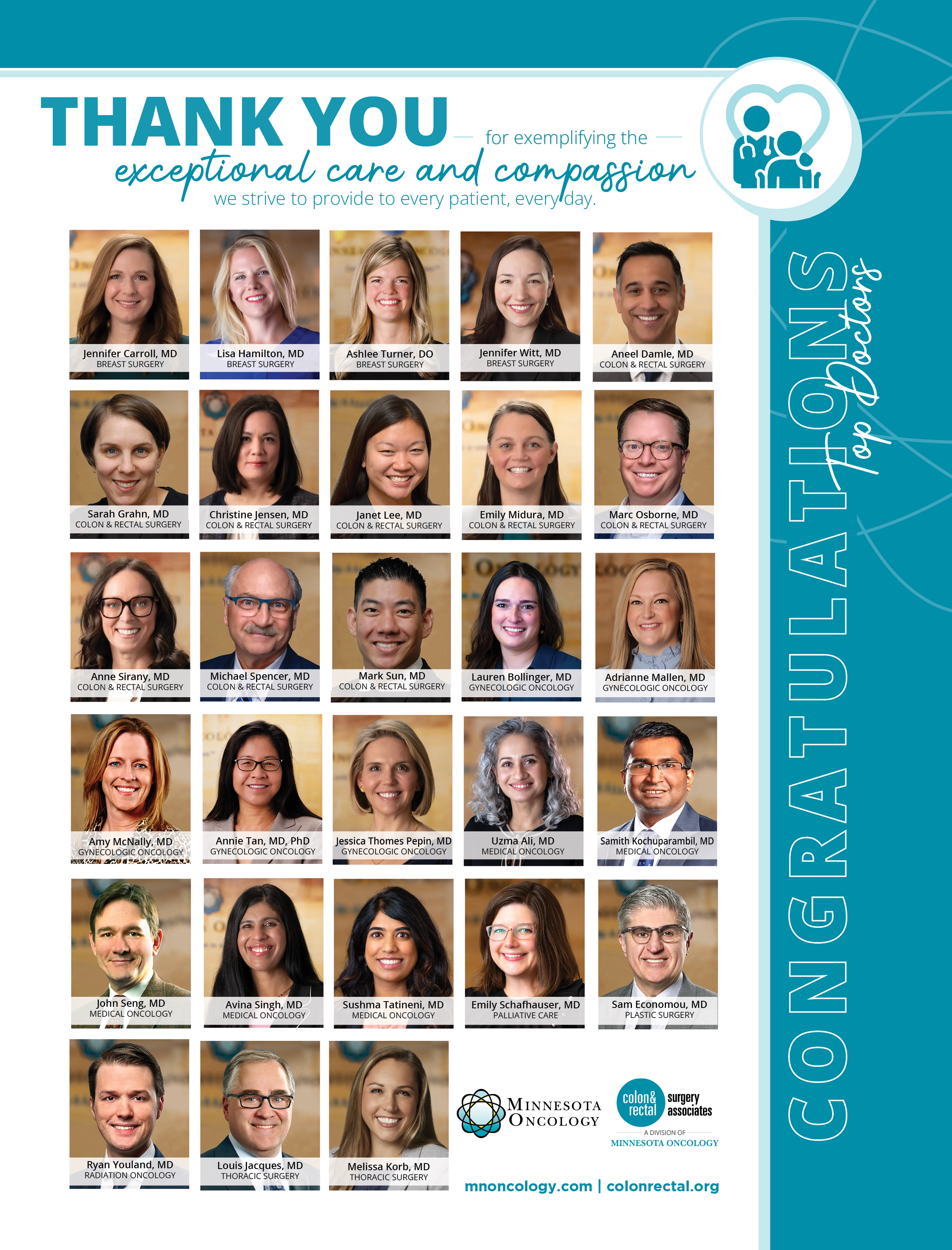
Minnesota Oncology is proud to celebrate 28 physicians recognized as 2026 Top Doctors by Minnesota Monthly. Learn more about this prestigious recognition and the physicians honored for their expertise and dedication to patient care.