
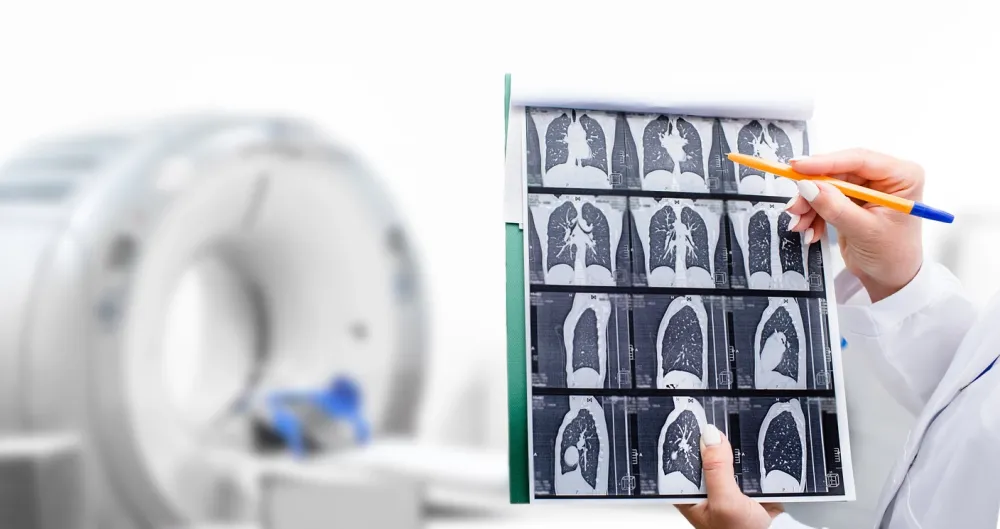
Lung cancer remains the leading cause of cancer deaths in the United States. One of the most important ways to improve outcomes is finding lung cancer early, before symptoms begin. For people at higher risk, yearly lung cancer screening with a low-dose CT scan (LDCT) can lower the risk of dying from lung cancer.
Who should be screened for lung cancer?
The American Cancer Society recommends yearly low-dose CT (LDCT) lung cancer screening for certain people at higher risk. You may be eligible for screening if you:
-
Are 50 to 77 years old and in fairly good health
-
Currently smoke or have quit within the last 15 years
-
Have at least a 20-pack-year smoking history
-
Receive smoking cessation counseling if you currently smoke
-
Have been informed about the benefits, limitations, and possible harms of LDCT screening
A pack-year measures how much a person has smoked over time. You can calculate your pack-years by multiplying the number of years you have smoked by the average number of packs you smoked each day.
Why does early screening matter?
Lung cancer screening can find cancer before symptoms appear, when it may be easier to treat. If you meet the screening criteria, talk with your healthcare provider about whether an LDCT is right for you and ask about a referral to a lung cancer screening center in your area.
Lung cancer screening is covered by Medicare and many private health insurance plans, although coverage can vary. Your healthcare team can help you understand your options and whether you qualify.
It is never too late to quit smoking
If you currently smoke, quitting is one of the most important steps you can take for your health. Your body begins to benefit soon after you stop smoking. Within 20 minutes, your heart rate and blood pressure begin to drop. Within 12 hours, carbon monoxide levels in your blood return to normal. Over time, your circulation and lung function improve, and your risk of dying from lung cancer decreases. Ten years after quitting, your risk of dying from lung cancer is cut in half.
Lung cancer screening is an important tool for people at higher risk, but knowing your risk and talking with your healthcare provider are just as important. If you think you may qualify for screening, don't wait for symptoms to appear. Learn more about lung cancer screening on our our website or call Minnesota Oncology at 612-614-3467 to find out if screening is right for you.
Share
Categories
Tags
Recent Posts

Learn about the common signs and symptoms of lymphoma and leukemia, including fatigue, swollen lymph nodes, unexplained bruising, frequent infections, fever, and other changes that may warrant medical evaluation.
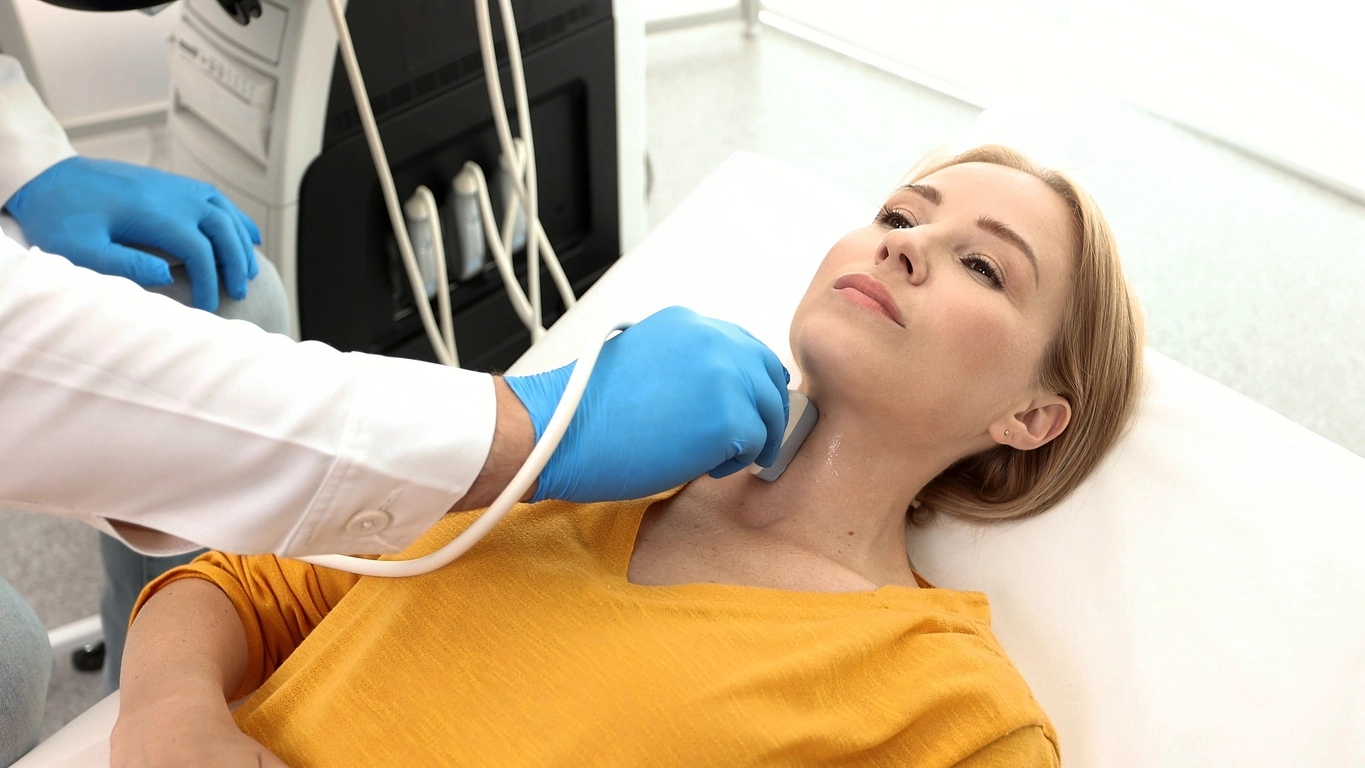
Learn about thyroid cancer, including common signs and symptoms, risk factors, and treatment options. Learn when to talk with your doctor about concerning symptoms.

Julie Sowles shares her journey with Stage IV endometrial cancer, from her initial diagnosis and intensive treatment to recurrence and participation in clinical trials. With the support of her family and care team at Minnesota Oncology, Julie continues exploring new treatment options and looking toward the future with hope.