
{image_1}Minnesota Oncology is pleased to introduce our newest physician, Yang Liu, MD. Dr. Liu recently joined our Maplewood Cancer Center team and brings a variety of educational and patient-care experience to Minnesota Oncology. Dr. Liu earned her Doctor of Medicine degree from Case Western University School of Medicine in Cleveland, OH, and completed her residency in internal medicine at the University of Pennsylvania in Philadelphia. Most recently, she was the Chief Fellow in Hematology and Medical Oncology at Fox Chase Center – Temple University Hospital in Philadelphia.
“A diagnosis of cancer or a blood disorder can be an incredibly challenging, life-changing event in a person’s life,” Dr. Liu says. “It is my responsibility to guide my patients through a complicated diagnosis by providing clear explanations and offering up to date, evidence-based treatments or clinical trials that are tailored uniquely to each patient at each stage of a diagnosis.”
Dr. Liu is board certified in Internal Medicine and board eligible in Medical Oncology and Hematology. Her areas of special interest include breast cancer, lymphomas, benign and malignant hematology, lung cancer, genitourinary malignancies, and gastrointestinal cancers.
“I care deeply about my patients and consider it an absolute privilege to walk alongside them and their families in their cancer journey,” Dr. Liu says.
Share
Categories
Tags
Recent Posts
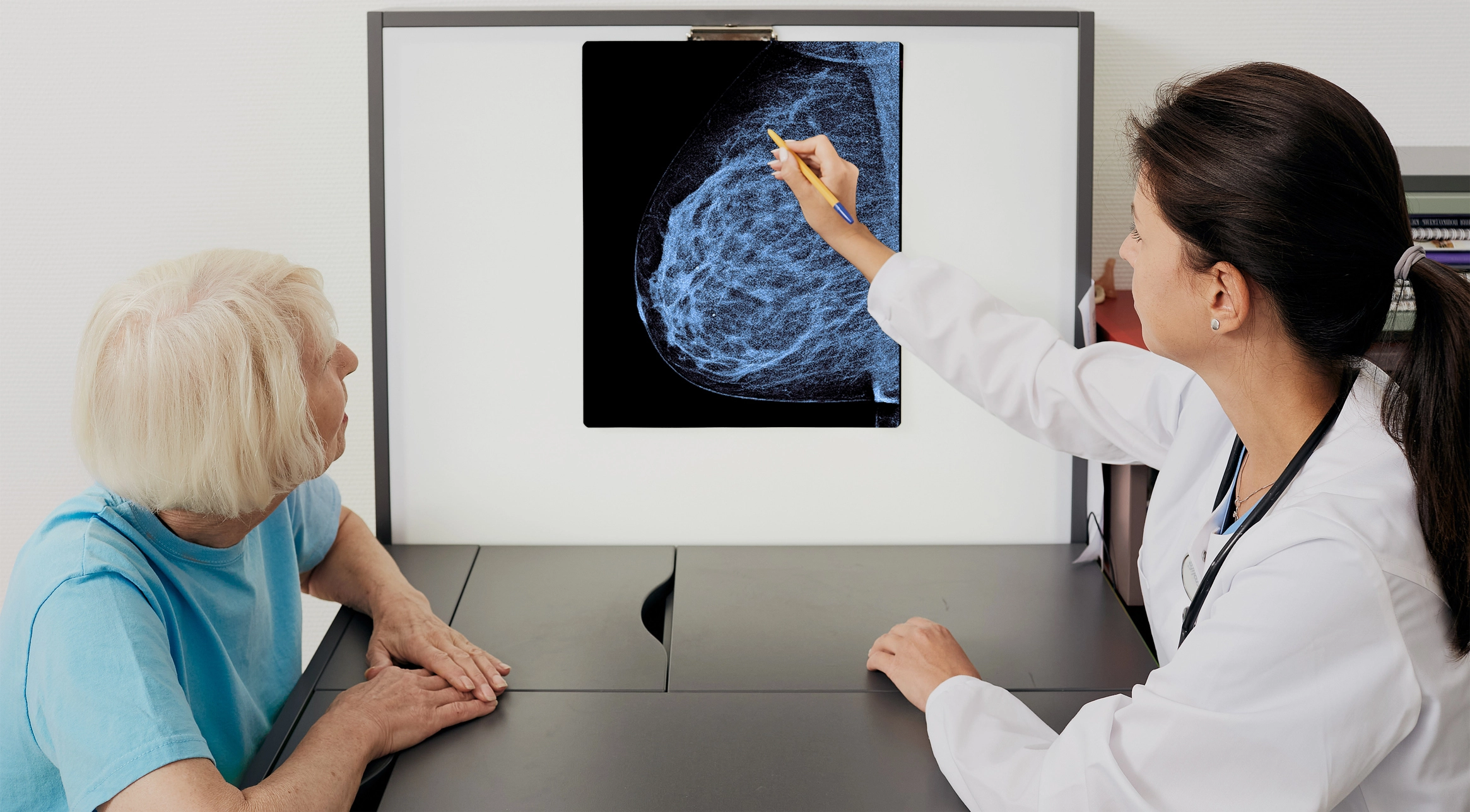
Dense breast tissue can affect how breast cancer appears on a mammogram and may increase breast cancer risk. Learn about breast density, mammogram results, additional screening options, and questions to discuss with your healthcare provider.

Learn about metastatic breast cancer, also known as stage IV breast cancer, including treatment options and clinical trials available through Minnesota Oncology.
Understanding your breast cancer risk can help you make informed decisions about screening and early detection. Learn about risk factors and personalized breast cancer screening options.