

by Angela Stephens, RD, CSO, LD
During treatment, fatigue can often occur, especially as you receive additional treatments. Continuing to receive adequate nutrition with adequate protein, fiber, and micronutrients, will help to fight off fatigue.
If you are losing weight, focus on maintaining your weight. You will have more energy if you are maintaining weight as this is a sign that you are providing your body with enough “fuel”.
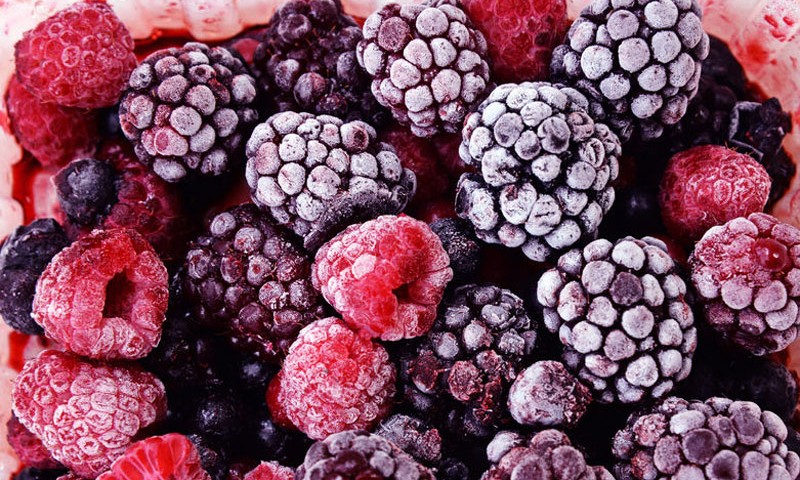 Here are some ideas to help you eat well even if you are fatigued:
- Buy frozen fruits. Use in a smoothie or eat frozen (such as blueberries or mangos). Often frozen fruit is enjoyable if you are experiencing nausea. No rinsing or washing needed as this is done during processing.
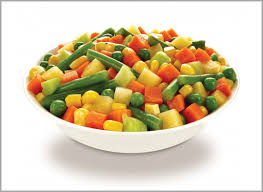
- Buy frozen vegetables. Just add to a pan with some water or buy in a steamer bags and throw in the microwave. Again, no rinsing or washing needed.
- Suggestions: Edamame as a snack, steamer mixes with whole grains, beans, and vegetables, carrots, spinach, vegetable medley, cauliflower, or broccoli
 Buy prechopped fresh fruits and vegetables. Such as baby carrots, celery, mushrooms, prewashed salad mixes, etc. Some of these items you may still need to rinse before eating such as mushrooms and celery to decrease risk for food contamination.
- Find a recipe or food that you would like to eat and have a friend make it for you!
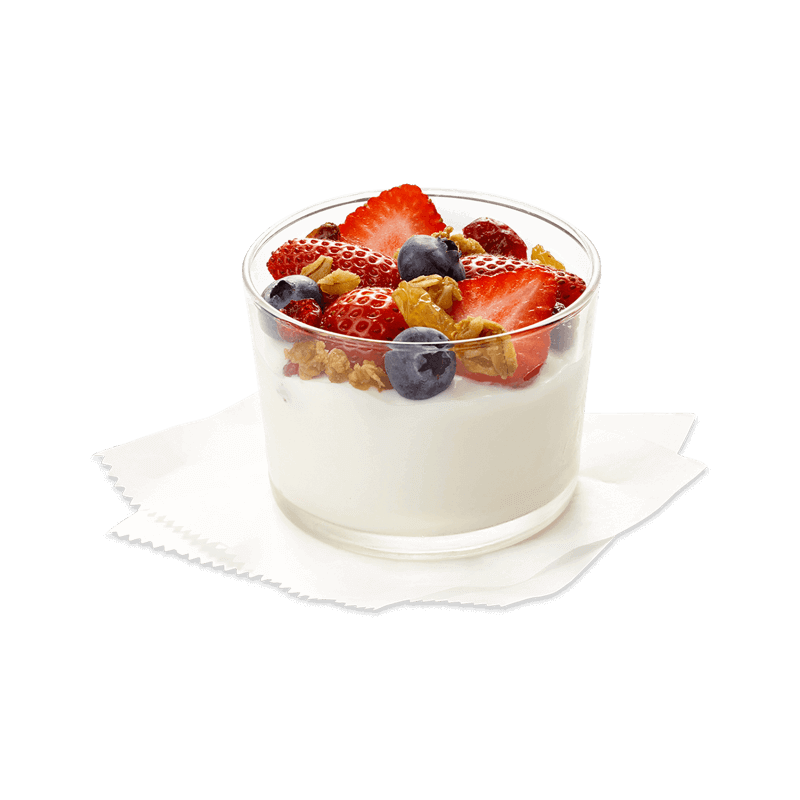
- Try foods that are ready to eat such as nuts, seeds, dried fruit, trail mix, yogurt, cheese, crackers, cottage cheese, soy nuts, or granola bars.
- Consume foods that require little preparation such as peanut butter toast, avocado toast, tuna (vacuum sealed pouches available) on crackers, premade guacamole on crackers, apples or bananas with peanut butter, scrambled eggs, precooked hard boiled eggs, hummus on vegetables or crackers
- Buy single serving frozen meals for days when your energy level is really low
 Freeze leftover items in single serving portions to reheat later
- Keep non-perishable snacks near you to allow for snacking during the day. Put out a dish of cashews, pumpkin seeds, sunflower seeds, and dried fruit.
- Avoid large amounts of caffeine and simple sugars (cookies, candies). These foods often lead to a significant drop in energy a few hours after consuming.
- If you find yourself falling asleep frequently, set an alarm to remind you when to eat and drink. Missing meals and hydration can also lead to worsened fatigue.
- Take short walks (~5 minutes) every 1-2 hours during the waking day to move your muscles.
Remain hydrated if you are fatigued. Keep water and other fluids near you as a reminder to continue drinking!
Also, if you experiencing other symptoms such as nausea, diarrhea, or constipation from chemotherapy, you may need to adjust which foods you choose from the list above.
Schedule an appointment with your local dietitian at Minnesota Oncology if you need assistance with this.
Share
Categories
Tags
Recent Posts
Dense breast tissue can affect how breast cancer appears on a mammogram and may increase breast cancer risk. Learn about breast density, mammogram results, additional screening options, and questions to discuss with your healthcare provider.

Learn about metastatic breast cancer, also known as stage IV breast cancer, including treatment options and clinical trials available through Minnesota Oncology.
Understanding your breast cancer risk can help you make informed decisions about screening and early detection. Learn about risk factors and personalized breast cancer screening options.