
This content is courtesy of Mayo Clinic, the No. 1 hospital in the nation according to U.S. News & World Report. Minnesota Oncology is a member of the Mayo Clinic Care Network. This relationship provides us with access to information, knowledge and expertise from Mayo Clinic.
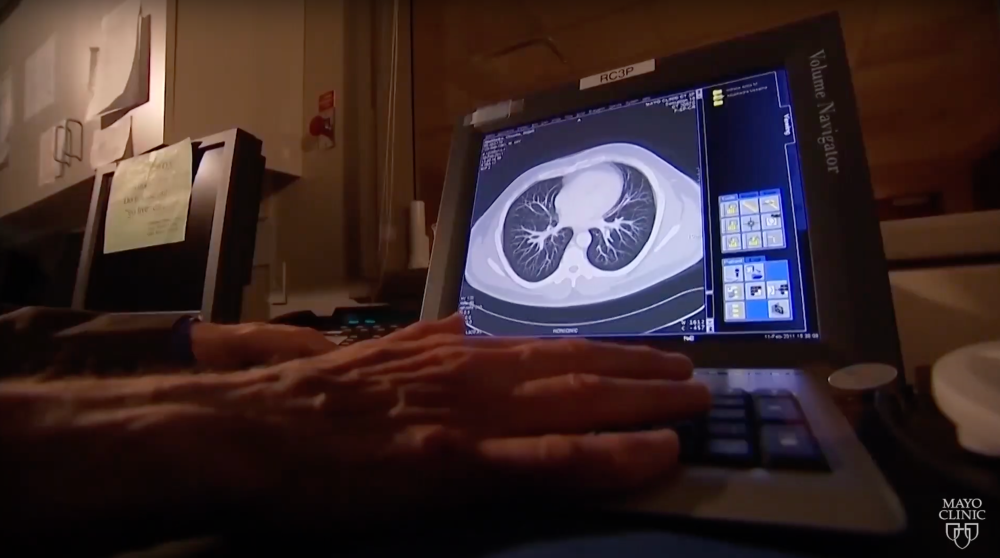
November is Lung Cancer Awareness Month. Lung cancer is the leading cause of cancer deaths worldwide. Each year, more people die from lung cancer than colon, breast and prostate cancers combined, according to the American Cancer Society.
Lung cancer is the second most common cancer in the U.S., and the deadliest. But there is promising news. Less cases of lung cancer and death occur every year, partly because more people are quitting smoking.
"Ninety percent of lung cancers are related to cigarette smoking," says Dr. Karen Swanson, a Mayo Clinic pulmonologist and critical care specialist.
Early detection and treatment also help lower the numbers.
"The holy grail, so to speak, is to find it at the earliest stage possible, where it can be surgically removed or treated with radiation or ablation for cure," says Dr. Swanson.
But that's often not the case because there usually aren't any early symptoms.
"One of the problems with lung cancer is that by the time a patient presents and is diagnosed with lung cancer, 80% of the time the lung cancer is spread — meaning it's not localized disease," says Dr. Swanson.
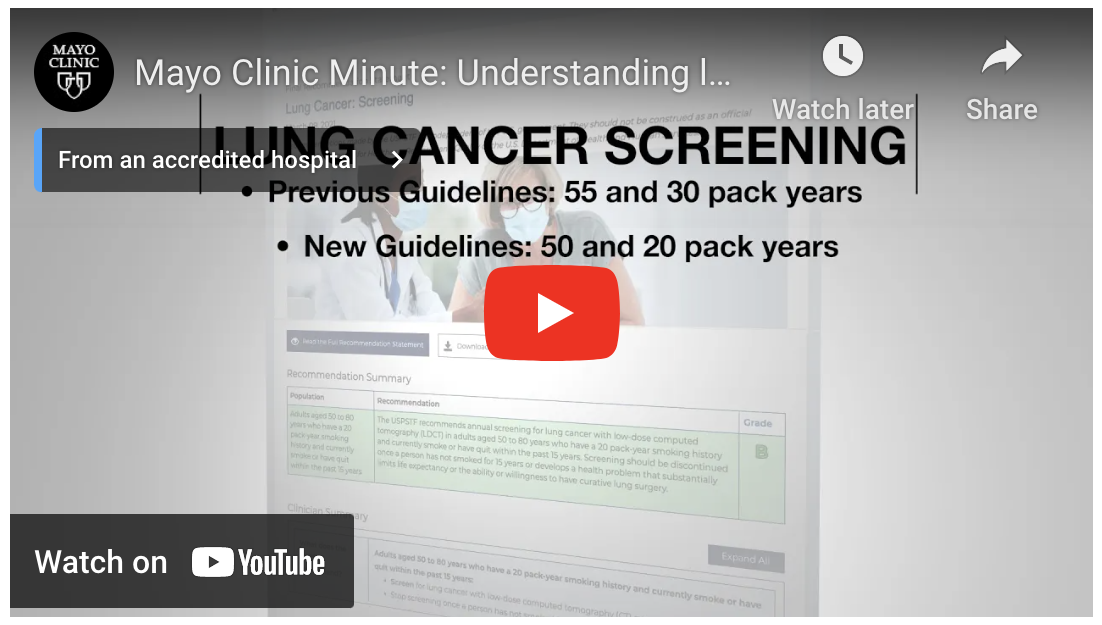
Which is why the U.S. Preventive Services Task Force recently lowered the lung cancer screening guidelines from age 55 and a 30 pack-year history to age 50 and a 20 pack-year history.
"Some sort of smoking intervention to help the patient stop smoking is an essential part of any program because rather than diagnosing an early lung cancer, it's more important to stop the exposure," says Dr. Swanson.
Share
Categories
Tags
Recent Posts
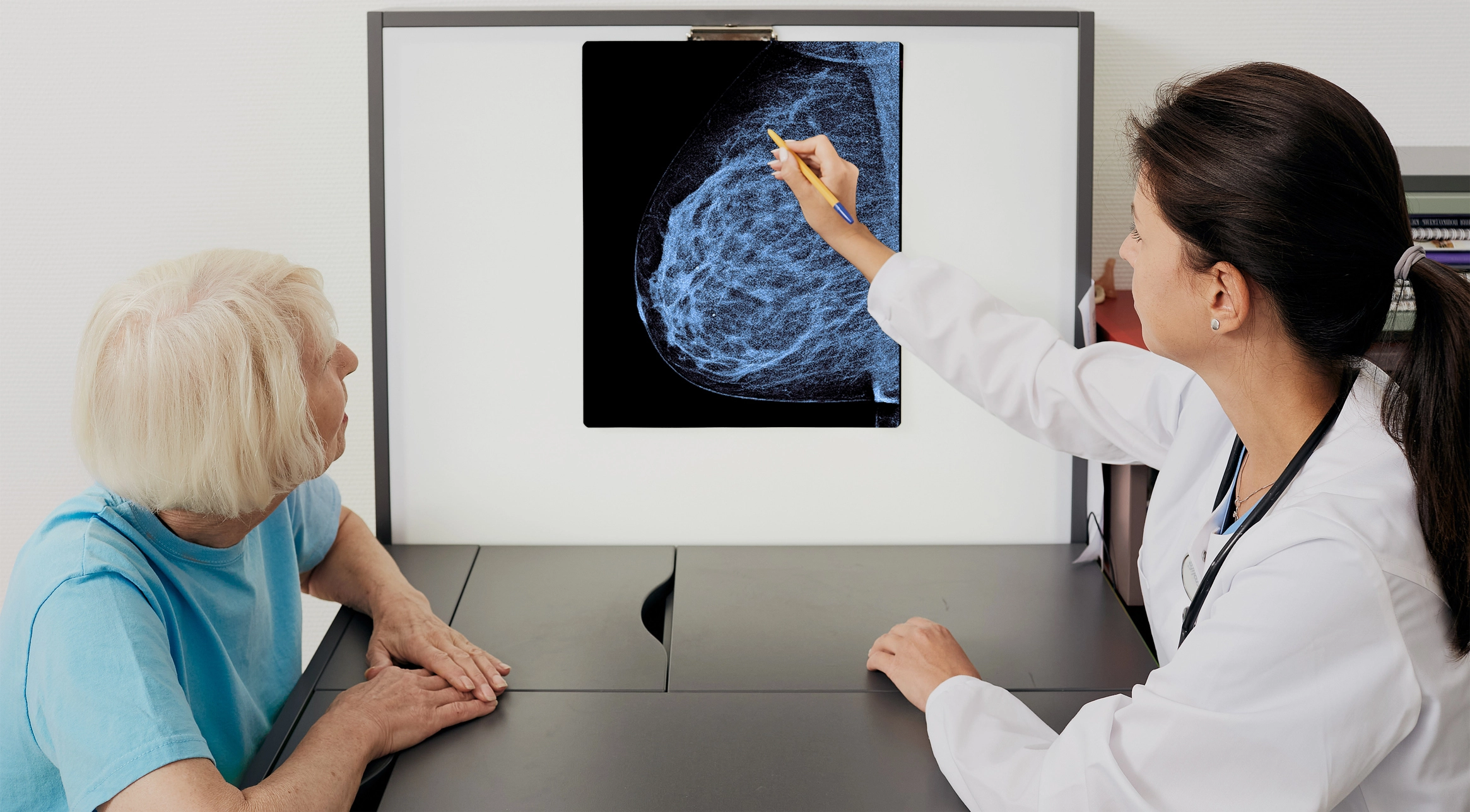
Dense breast tissue can affect how breast cancer appears on a mammogram and may increase breast cancer risk. Learn about breast density, mammogram results, additional screening options, and questions to discuss with your healthcare provider.

Learn about metastatic breast cancer, also known as stage IV breast cancer, including treatment options and clinical trials available through Minnesota Oncology.

Understanding your breast cancer risk can help you make informed decisions about screening and early detection. Learn about risk factors and personalized breast cancer screening options.