
Minnesota Oncology nurse and breast cancer survivor Yana Reko recently volunteered as part of the Medical Crew for the Susan G. Komen 3-Day – Twin Cities. The 3-Day is a three-day, 60-mile walk to raise funds for the fight against breast cancer.
Last month, Reko—a chemotherapy nurse at our Plymouth WestHealth location—put her medical expertise to work and joined the team of doctors, nurses, and EMT volunteers who provide medical assistance and evaluation for minor injuries for 3-Day participants. This was Reko’s 6th time participating in the 3-Day.
“It's an honor and SO much fun,” Reko says walked, the. “I walked my first year, the year before I finished nursing school. I hadn't trained, and was pretty significantly out of shape. Needless to say, my feet were hamburger, I almost had to get IV fluids and I was pretty miserable. While a sweet kind nurse patched up my feet, I told her that I would never ever do this again, but I wanted to continue to be part of the 3-Day. I also mentioned that I was a nursing student. She told me to come back after I passed my boards... I've crewed happily ever since!”
Reko says the experience has been “a bit of a ride”, but worth it! “The people I've met, the friends, the inspiration I leave with… I get so much more than I could ever hope to give!”
{image_1}
{image_2}
{image_3}
{image_4}
Share
Categories
Tags
Recent Posts
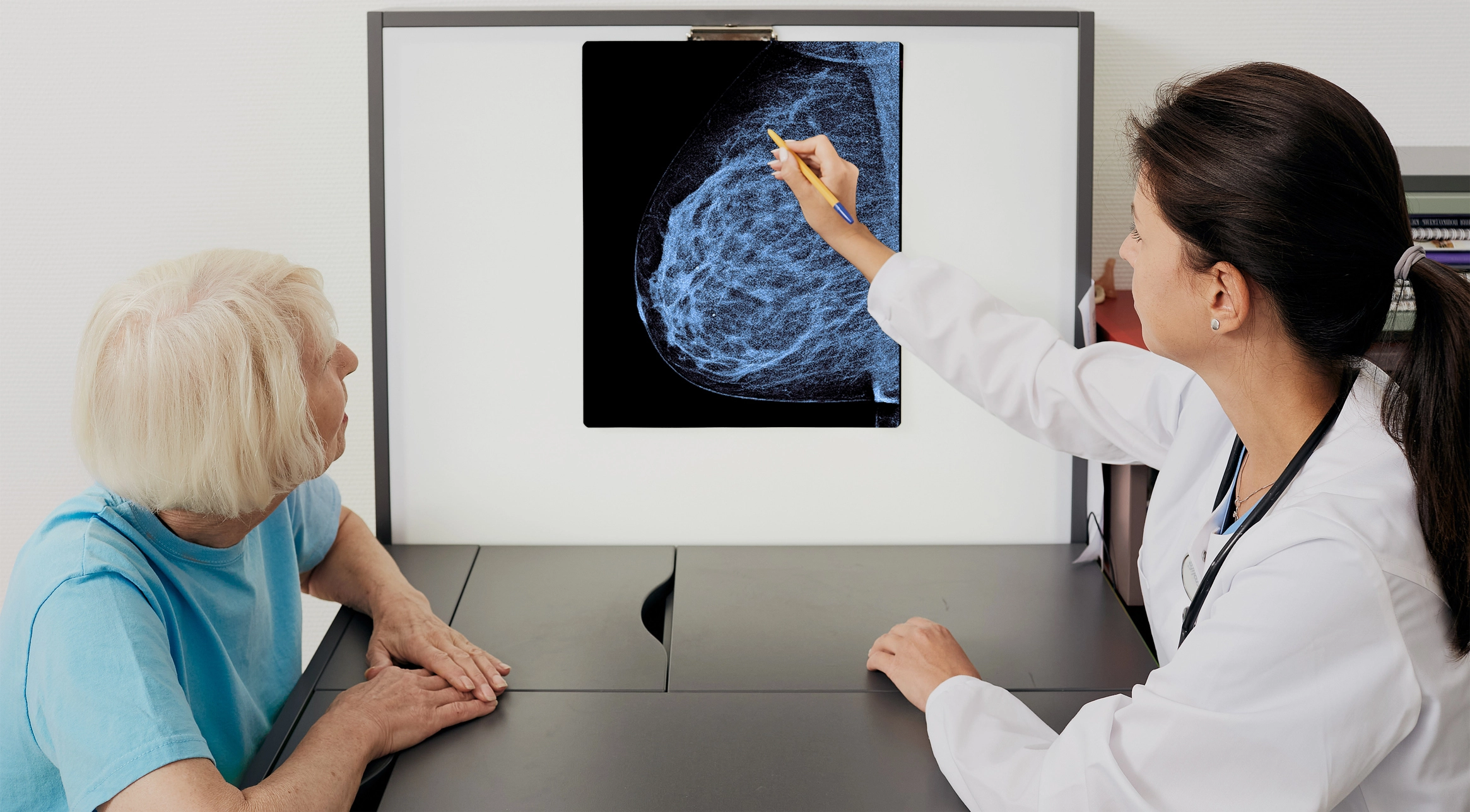
Dense breast tissue can affect how breast cancer appears on a mammogram and may increase breast cancer risk. Learn about breast density, mammogram results, additional screening options, and questions to discuss with your healthcare provider.

Learn about metastatic breast cancer, also known as stage IV breast cancer, including treatment options and clinical trials available through Minnesota Oncology.

Understanding your breast cancer risk can help you make informed decisions about screening and early detection. Learn about risk factors and personalized breast cancer screening options.