
A shortage in blood donors due to the pandemic has led to reduced supply levels which are critical in the treatment of patients with cancer.
February 14, 2022 – Physicians at Minnesota Oncology, a premier provider of cancer care in the Twin Cities community, are sounding the alarm about shortages of blood donations across the country. Due to COVID-19 and other contributing factors, donor turnout has reached the lowest levels of the year, decreasing by about 10%1 since August. Those who are eligible to donate are urged to do so now to help overcome this current shortage.
“Lifesaving blood donations remain essential for patients with cancer,” said Paul Thurmes, MD, Executive Vice President. “The ongoing pandemic has depleted supplies to dangerous levels. We are doing all we can to provide patients with the best cancer treatments available, but we’re asking the community to do their part in protecting those around them. Donating blood is one of the best gifts you can give.”
Blood supply shortages have a disproportionate effect on people with cancer. Some cancers, especially stomach and leukemia, can lead to anemia and low blood counts. In addition, cancer may lower blood counts by affecting organs such as the kidneys and spleen. Cancer treatments can also create the need for blood transfusions. Surgery may require red blood cell or platelet transfusions, while most chemotherapy drugs and radiation therapy affect cells in the bone marrow. These patients often have very low blood cell counts after the procedure and need transfusions.
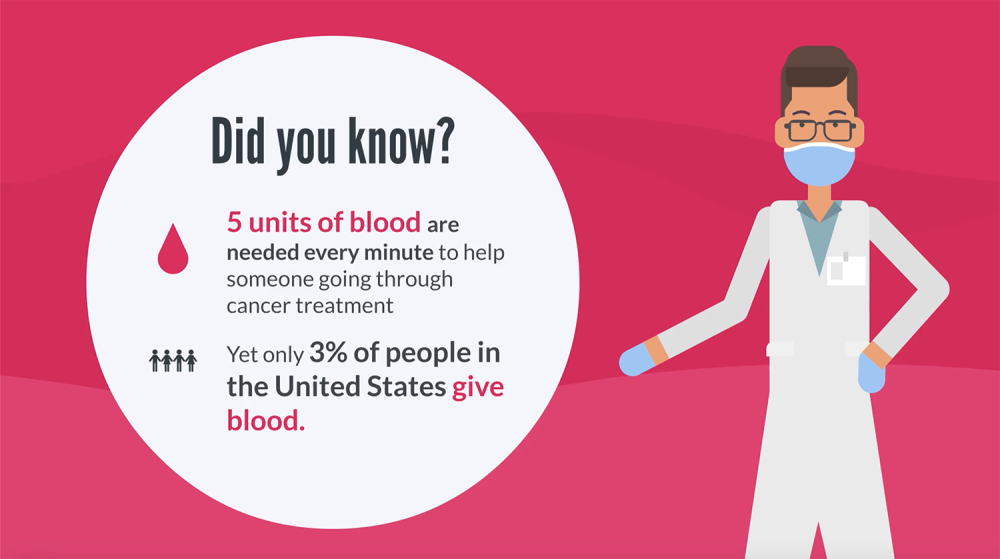
In fact, individuals with cancer use nearly one-quarter of the nation’s blood supply each year2. Approximately five units of blood are needed for every patient with cancer, yet only 3% of people in the United States give blood. It’s time to change that.
How to donate blood
If you are eligible to donate blood or have questions about blood donation, contact the Red Cross by calling1-800-RED CROSS (1-800-733-2767) or visit RedCrossBlood.org. The Red Cross is currently accepting all blood types.
{% video_player "embed_player" overrideable=False, type='scriptV4', hide_playlist=True, viral_sharing=False, embed_button=False, autoplay=False, hidden_controls=False, loop=False, muted=False, full_width=False, width='1920', height='1080', player_id='66264145528', style='' %}
Share
Categories
Tags
Recent Posts
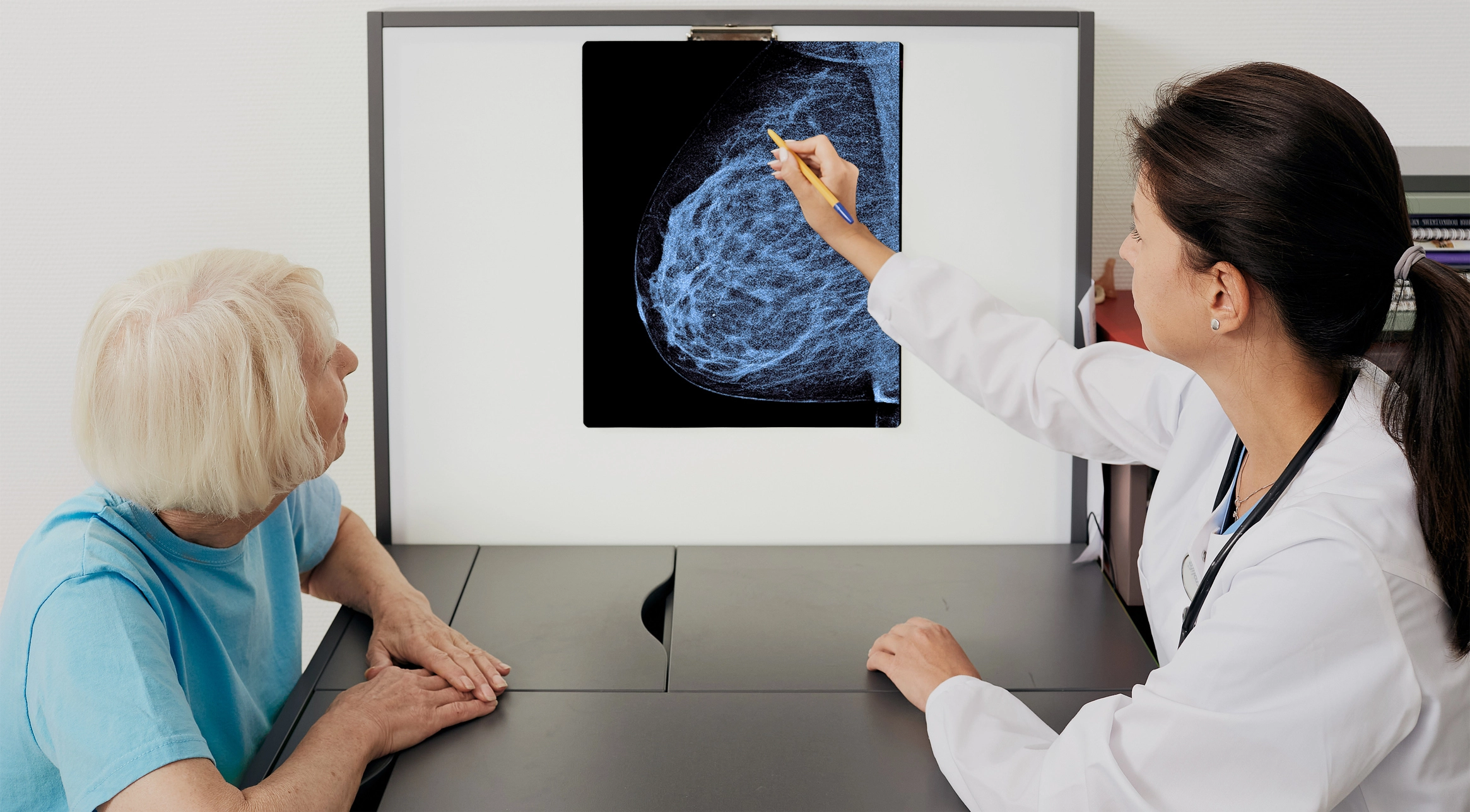
Dense breast tissue can affect how breast cancer appears on a mammogram and may increase breast cancer risk. Learn about breast density, mammogram results, additional screening options, and questions to discuss with your healthcare provider.

Learn about metastatic breast cancer, also known as stage IV breast cancer, including treatment options and clinical trials available through Minnesota Oncology.

Understanding your breast cancer risk can help you make informed decisions about screening and early detection. Learn about risk factors and personalized breast cancer screening options.