
May is Skin Cancer Awareness Month. Skin cancer is the most common form of cancer in the United States with more than five million skin cancer diagnoses annually.
Risk factors
UV radiation exposure: Exposure to UV radiation, either from the sun or tanning lamps, is the biggest risk for skin cancer Fair skin: People with fair skin, freckling, or red or
blond hair have a higher risk
Climate/geography: People who live in sunny climates or in southern states are at an increased risk for skin cancer
Moles: The presence of many moles increases a person’s chance of getting melanoma
Age: Chances of developing skin cancer increase with age
Personal/Family history: A history of skin cancer, especially melanoma, can put people at higher risk
Weakened immune system: People with a weakened immune system are more susceptible to skin cancer
Signs and symptoms
Patients experiencing any of these symptoms should consult a physician.
- Firm, pale or yellow scar-like areas
- Raised, itchy reddish patches
- Rough or scaly red patches
- Raised growths or lumps, sometimes with a lower area in the center
- Open sores that don’t heal
- Moles wider than ¼ inch that are asymmetrical, have edges that are ragged, and/or have a splotchy color
Screening
Most skin cancers are found by watching for visual changes in the skin. Regular exams by your doctor and checking your own skin frequently can help find
many skin cancers early, when they are easier to treat.
Self-exams: To complete a self-exam, you will need to carefully examine the entire surface of your skin. You can use a hand mirror to help you check hard-to-see areas, or ask a partner or close friend to help. Check regularly and note any changes. If you do see any changes or have other concerns, it’s important to schedule an appointment with your doctor.
Prevention
- Cover up when you’re in the sun to reduce exposure to dangerous UV rays.
- Say no to tanning. The UV ray exposure is dangerous. This includes both the sun and tanning beds.
- Wear sunscreen. Choose a sunscreen that is SPF 30 or higher and follow directions for reapplication. Pay close attention to areas like your face, arms, or any area not covered by clothing.
- Stay in the shade. Hang out in a shaded area to reduce your sun exposure.
- Sunglasses that block UV rays can help to protect your eye area from the sun.
Share
Categories
Tags
Recent Posts
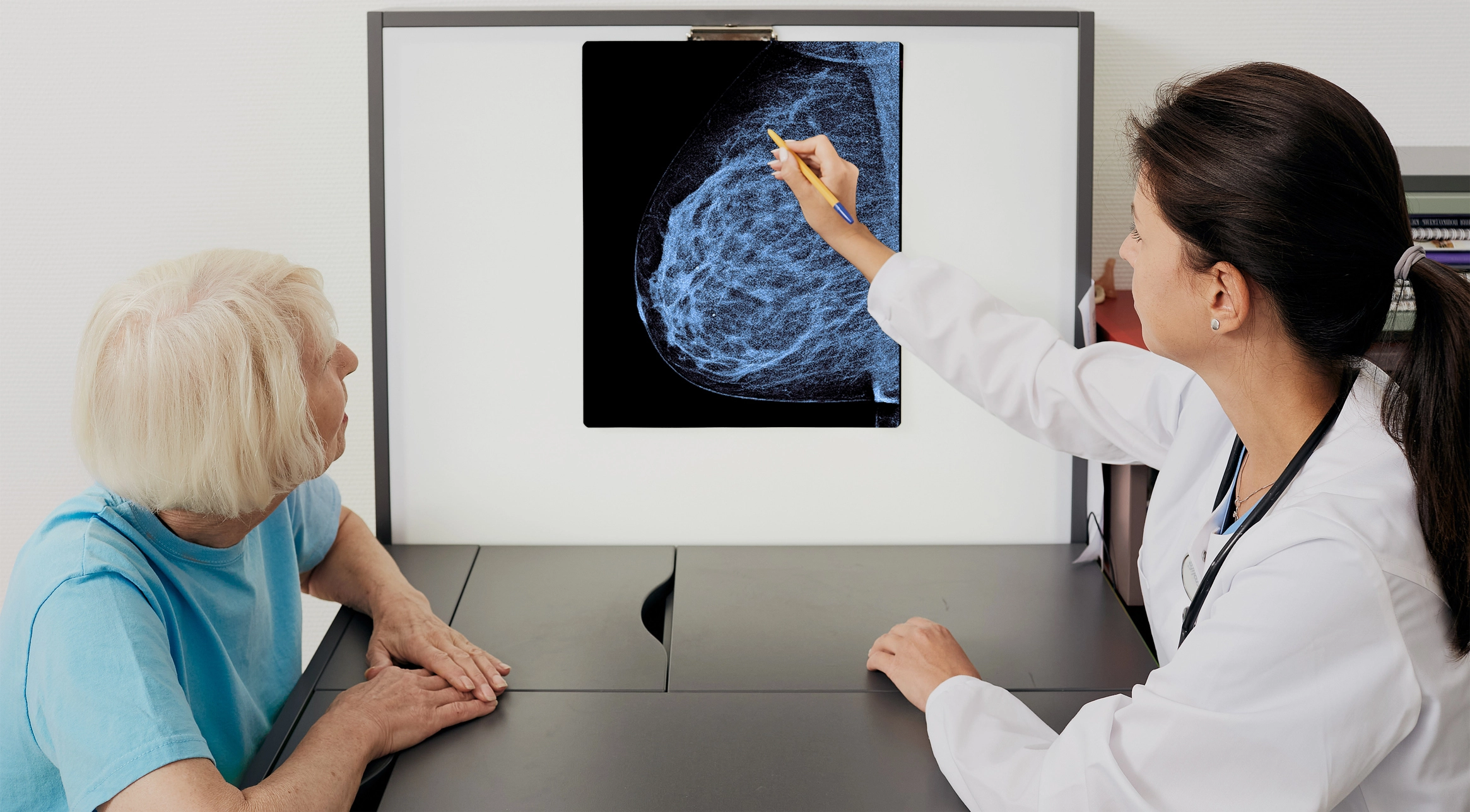
Dense breast tissue can affect how breast cancer appears on a mammogram and may increase breast cancer risk. Learn about breast density, mammogram results, additional screening options, and questions to discuss with your healthcare provider.

Learn about metastatic breast cancer, also known as stage IV breast cancer, including treatment options and clinical trials available through Minnesota Oncology.
Understanding your breast cancer risk can help you make informed decisions about screening and early detection. Learn about risk factors and personalized breast cancer screening options.