

A lung cancer diagnosis can bring a lot of questions. What type of lung cancer do you have? Has it spread? What treatments are available? And what happens next?
While every person’s cancer journey is different, understanding the next steps can help you feel more prepared for conversations with your care team.
Confirming Your Diagnosis
After a suspected lung cancer diagnosis, your care team may recommend additional testing to better understand the cancer. A biopsy is typically used to confirm a diagnosis by examining a sample of tissue for cancer cells. Imaging tests, such as CT or PET scans, may also be used to determine whether the cancer has spread and help establish its stage.
Lung cancer is generally classified as either small cell lung cancer (SCLC) or non-small cell lung cancer (NSCLC). These cancers can behave differently and may require different approaches to treatment.
Understanding Your Treatment Options
Your treatment plan will depend on several factors, including the type, size and stage of your lung cancer. Depending on your individual diagnosis, treatment may include surgery, chemotherapy, radiation therapy, targeted therapy or immunotherapy. Clinical trials may also provide access to potential new treatments.
Your oncologist can explain the goals of treatment and which options may be appropriate for you.
Questions to Ask Your Care Team
Your first appointments may include a lot of information. Consider writing down your questions before your visit and taking notes during your conversations.
You may want to ask:
-
What type and stage of lung cancer do I have?
-
Will I need additional tests?
-
What are my treatment options?
-
What is the goal of treatment?
-
What side effects should I expect?
-
How long will treatment last?
-
Are clinical trials an option for me?
Building Your Care Team
Choosing your cancer care team is an important part of your treatment journey. At Minnesota Oncology, our lung cancer team specializes in treating lung cancer and works with patients to develop individualized treatment plans.
A lung cancer diagnosis can feel overwhelming, but you don't have to navigate it alone. Your care team can help you understand your diagnosis, discuss your options and determine the next steps in your treatment journey.
Share
Categories
Tags
Recent Posts

Learn what to expect after a lung cancer diagnosis, including diagnostic testing, staging, treatment options, clinical trials and building your care team.
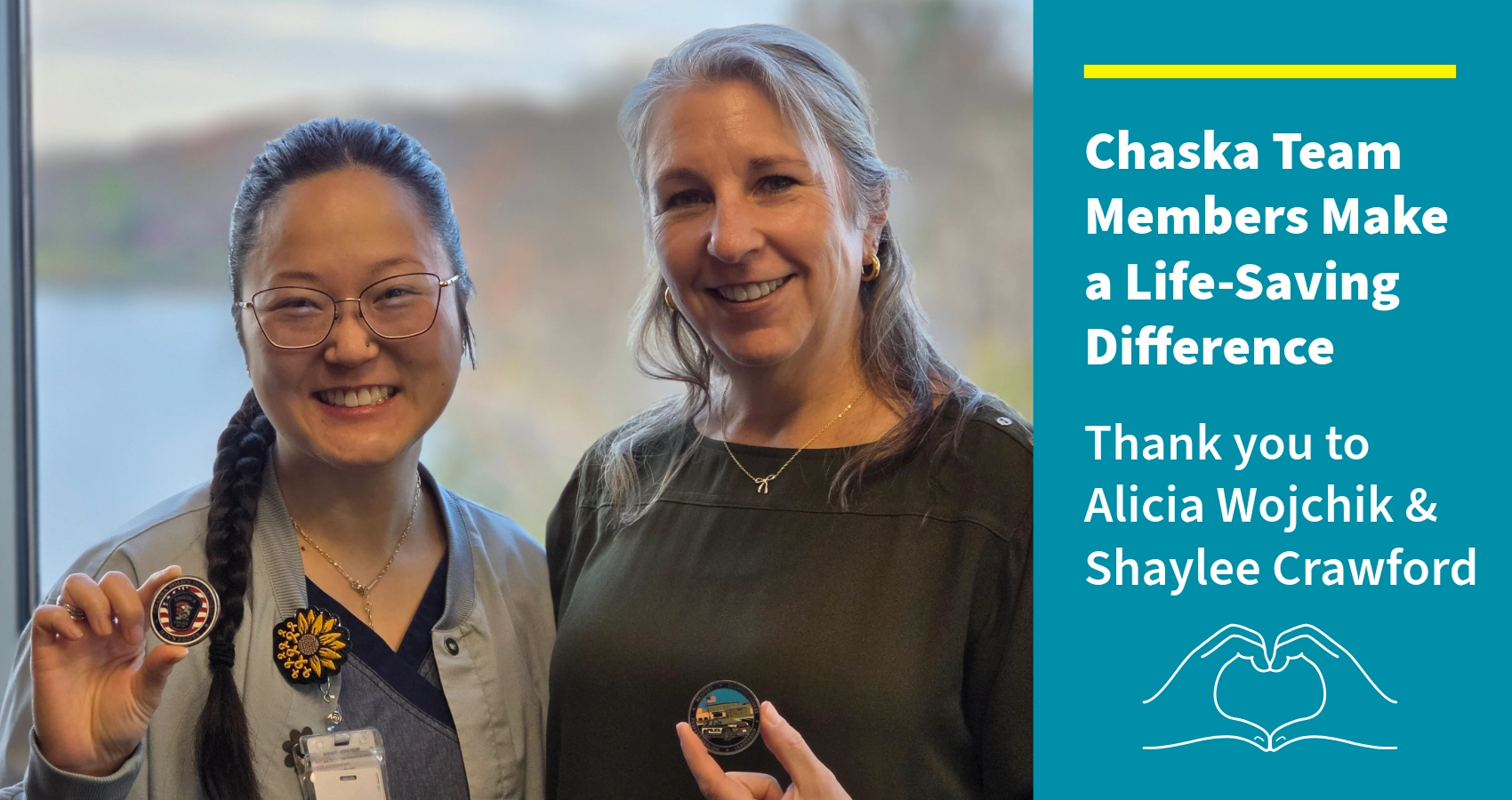
Alicia Wojchik and Shaylee Crawford of Minnesota Oncology’s Chaska clinic stepped in during an emergency outside the clinic, performing CPR and using an AED until EMS arrived. Their quick response helped give the man a better chance of survival.

Palliative care provides specialized support for people living with cancer, helping manage symptoms, treatment side effects, and emotional, practical, and spiritual concerns. Learn how palliative care can be part of cancer treatment at any stage.