
 Minnesota Oncology has recently added Palliative Care to the available services that can provide an extra layer of support for you and your loved ones. It is person and family-centered care that optimizes quality of life by anticipating, preventing, and treating suffering.
People often think palliative care is another word for hospice or end of life care, but this is not correct. It is care provided to people at any stage of their illness, from time of diagnosis to the end of life. Palliative care is provided at the same time that people are receiving curative or life-prolonging medical treatment, such as chemotherapy, radiation, and surgery.
Palliative care addresses physical, emotional, spiritual and practical concerns when people and their families are coping with a cancer diagnosis. Timely attention to early management of symptoms related to cancer and treatments has been shown to increase quality of life, improve function, and even extend ones length of life. It has also been shown to help reduce the stress that caregivers feel.
Palliative care can provide:
- Management of symptoms caused by cancer or its treatment, including pain, nausea, shortness of breath, loss of appetite, fatigue, constipation
- Treatment of depression and anxiety related to cancer
- Emotional support and referrals for spiritual support
- Enhanced communication with doctors and family members
- Support in becoming clear on what your goals are for your care and treatment
- Guidance with completing advance care planning documents
These services are provided by an Advanced Practice Provider who is board certified in the specialty of palliative care. Appointments are available at the Minneapolis and Edina clinic locations at this time. Your family members, caregivers, and friends are an important part of your care, and we encourage you to bring them with you to the appointment. After your initial appointment, the team will follow up with you on a regular basis to address concerns and provide ongoing support.
Palliative care is covered by insurance, including Medicare and Medicaid. For information or to request an appointment, please talk with your doctor or nurse.
Additional resources:
The American Cancer Society Cancer Action Network: http://acscan.org/qualityoflife
The Center to Advance Palliative Care: http://getpalliativecare.org/
Share
Categories
Tags
Recent Posts
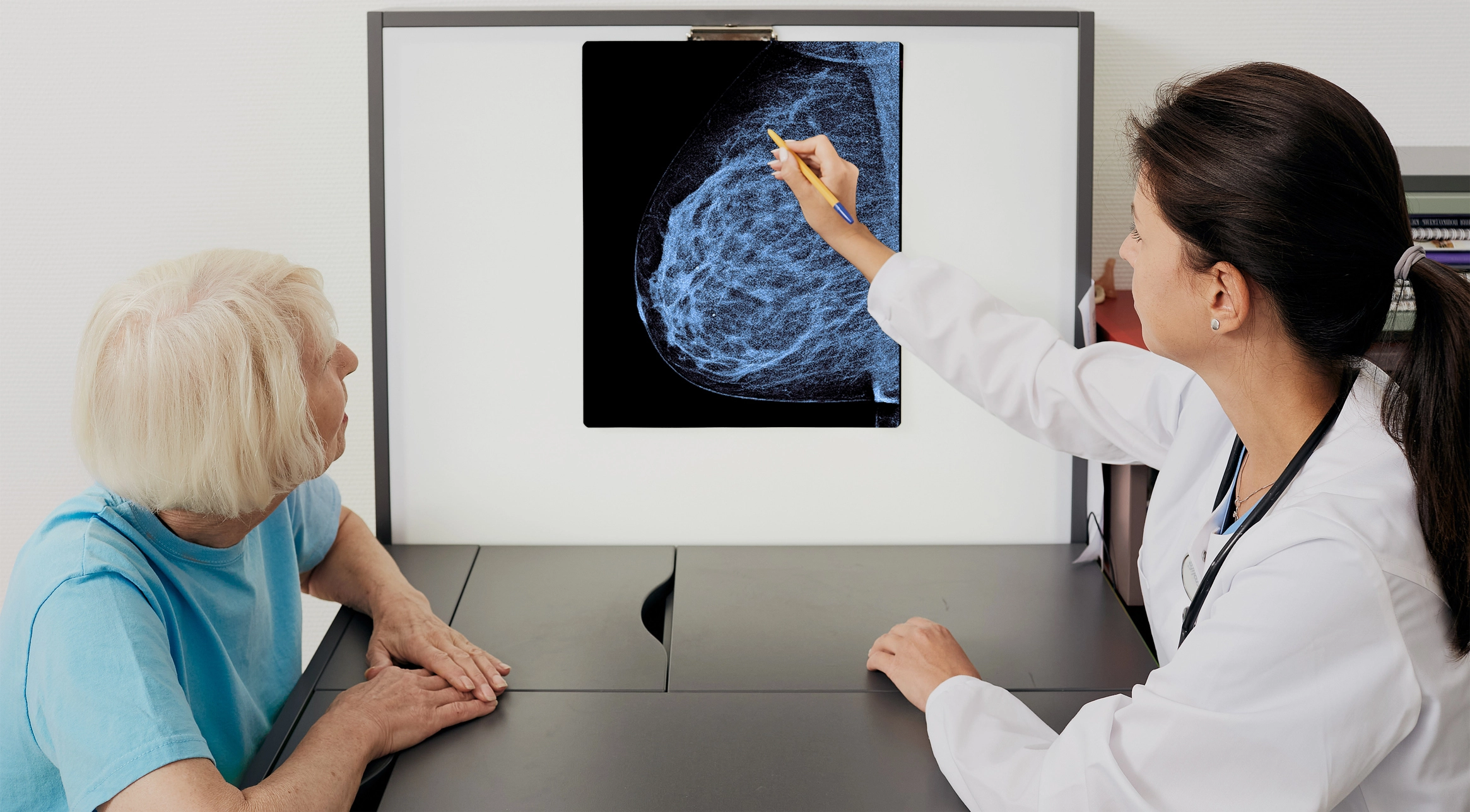
Dense breast tissue can affect how breast cancer appears on a mammogram and may increase breast cancer risk. Learn about breast density, mammogram results, additional screening options, and questions to discuss with your healthcare provider.

Learn about metastatic breast cancer, also known as stage IV breast cancer, including treatment options and clinical trials available through Minnesota Oncology.

Understanding your breast cancer risk can help you make informed decisions about screening and early detection. Learn about risk factors and personalized breast cancer screening options.