

Liver cancer occurs when cells in the liver grow uncontrollably. Understanding the factors that may increase your risk and recognizing potential warning signs can help you make informed decisions about your health. Although not all cases of liver cancer can be prevented, knowing your risk factors and discussing concerns with your doctor are important steps in caring for your health.
What Are the Risk Factors for Liver Cancer?
Several factors can increase a person's risk of developing liver cancer. These include:
-
Hepatitis B or hepatitis C: Long-term infection with either virus increases the risk of liver cancer.
-
Cirrhosis: This condition causes scarring of the liver and is associated with an increased risk of liver cancer.
-
Family history: Having a close relative with both hepatitis B and liver cancer is a recognized risk factor.
-
Obesity: Being overweight or having obesity is associated with an increased risk.
-
Aflatoxin exposure: Aflatoxin is a toxin produced by certain fungi that can grow on improperly stored foods, including grains and nuts.
Other risk factors include smoking, alcohol use, diabetes, and certain liver conditions. Having a risk factor does not mean you will develop liver cancer, but understanding your personal risk can help guide conversations with your healthcare provider.
What Are the Signs and Symptoms of Liver Cancer?
Liver cancer may not cause noticeable symptoms in its early stages. As the cancer grows, however, certain symptoms may develop.
Potential signs and symptoms include:
-
Discomfort in the upper right side of the abdomen
-
Abdominal swelling
-
A hard lump beneath the right side of the rib cage
-
Pain near the right shoulder blade or in the back
-
Yellowing of the skin or whites of the eyes, known as jaundice
-
Unusual fatigue
-
Nausea and vomiting
-
Loss of appetite
-
Unexplained weight loss
-
Easy bruising or bleeding
These symptoms can also occur with other health conditions. However, persistent or unexplained changes should be evaluated by a healthcare professional.
When Should You Talk to Your Doctor?
If you experience symptoms associated with liver cancer, especially if they persist or worsen, schedule an appointment with your doctor. You should also discuss your risk if you have hepatitis B, hepatitis C, cirrhosis, or other conditions associated with liver cancer.
Your doctor can review your medical history, assess your symptoms, and determine whether further evaluation or monitoring is appropriate for you.
Understanding Your Risk and Your Next Steps
Learning about liver cancer risk factors and recognizing potential symptoms can help you take a more proactive approach to your health. If you have concerns about your liver health, speak with your healthcare provider about the next steps.
To learn more about liver cancer treatment options, visit Minnesota Oncology's Liver Cancer Treatment Options page.
Share
Categories
Tags
Recent Posts

Explore common liver cancer risk factors, understand why changes in your health matter, and learn when to discuss concerns with your healthcare provider.
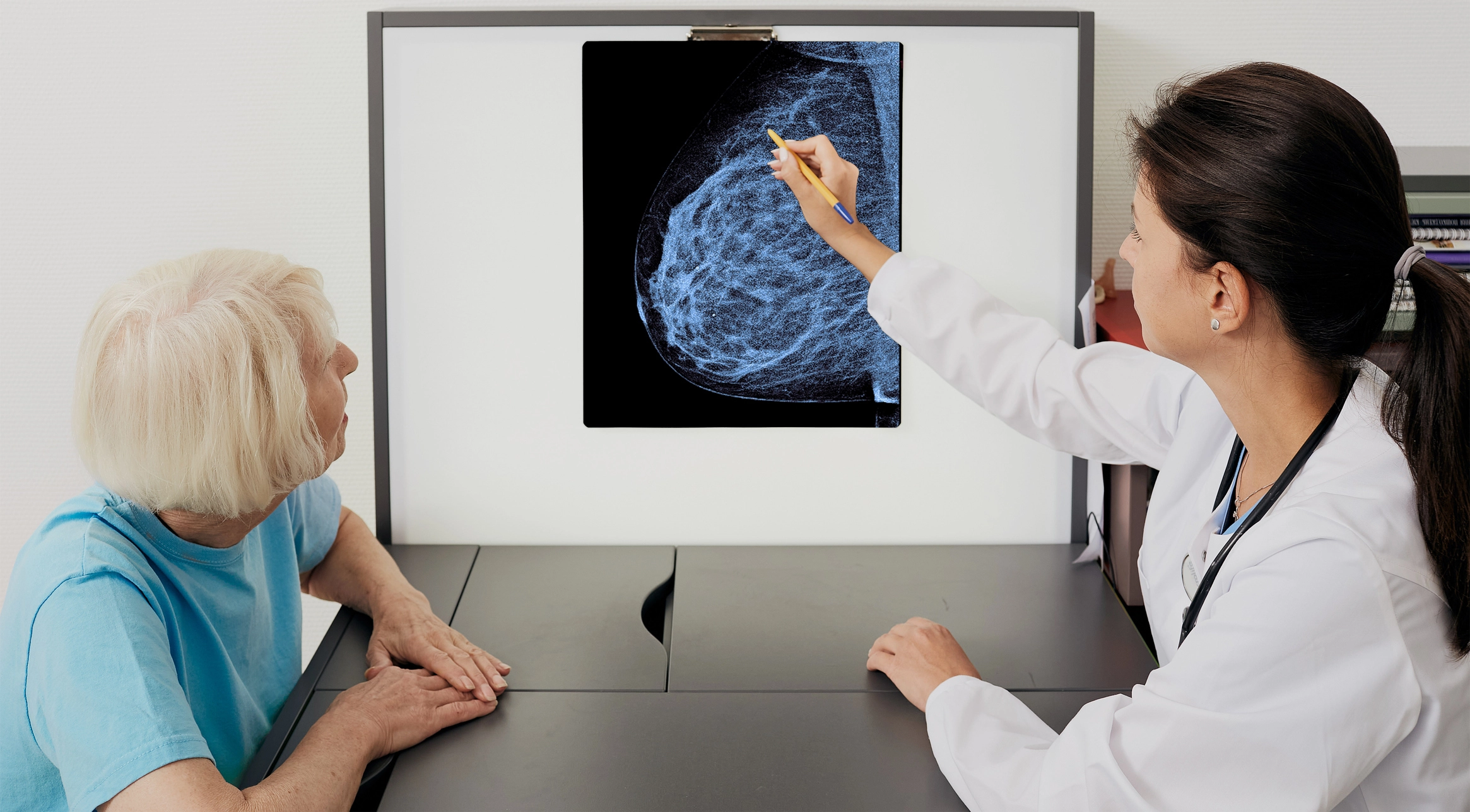
Dense breast tissue can affect how breast cancer appears on a mammogram and may increase breast cancer risk. Learn about breast density, mammogram results, additional screening options, and questions to discuss with your healthcare provider.

Learn about metastatic breast cancer, also known as stage IV breast cancer, including treatment options and clinical trials available through Minnesota Oncology.