

This content is courtesy of Mayo Clinic, the No. 1 hospital in the nation according to U.S. News & World Report. Minnesota Oncology is a member of the Mayo Clinic Care Network. This relationship provides us with access to information, knowledge and expertise from Mayo Clinic.
One out of 5 people in the U.S. will develop a form of skin cancer, according to the American Academy of Dermatology Association. For people with darker skin tones, incidence of late-stage skin cancer is rising.
Dr. Naiara Sbroggio Barbosa (Nie-e-ARE-ah Bar-BOH-sah), a Mayo Clinic dermatologist, explains how people with darker skin tones can protect themselves from skin cancer.
Skin cancer can be disfiguring or even deadly, which is why early detection and treatment is so important.
"Darker skin individuals have a much lower chance of skin cancers," says Dr. Sbroggio Barbosa. "However, they have more complications from those cancers because often they are not diagnosed promptly."
With increased sun exposure comes a greater risk of skin cancer. Dr. Sbroggio Barbosa says there are simple things you can do to protect your skin.
"Using sunscreen, we usually recommend SPF (sun protection factor) 30 or higher, making sure to reapply the sunscreen, especially if you're going to be outside every two or three hours," she says.
It is also important to cover your skin with clothing, a hat or seeking shade during hours of peak sun. Dr. Sbroggio Barbosa says skin cancer can present differently in different people, such as melanoma under a fingernail or toenail, which is why she stresses regular skin checks.
"Once a month or every other month, you should try to look at your whole skin and see if there's anything that looks unusual or that might be changing," says Dr. Sbroggio Barbosa.
Share
Categories
Tags
Recent Posts
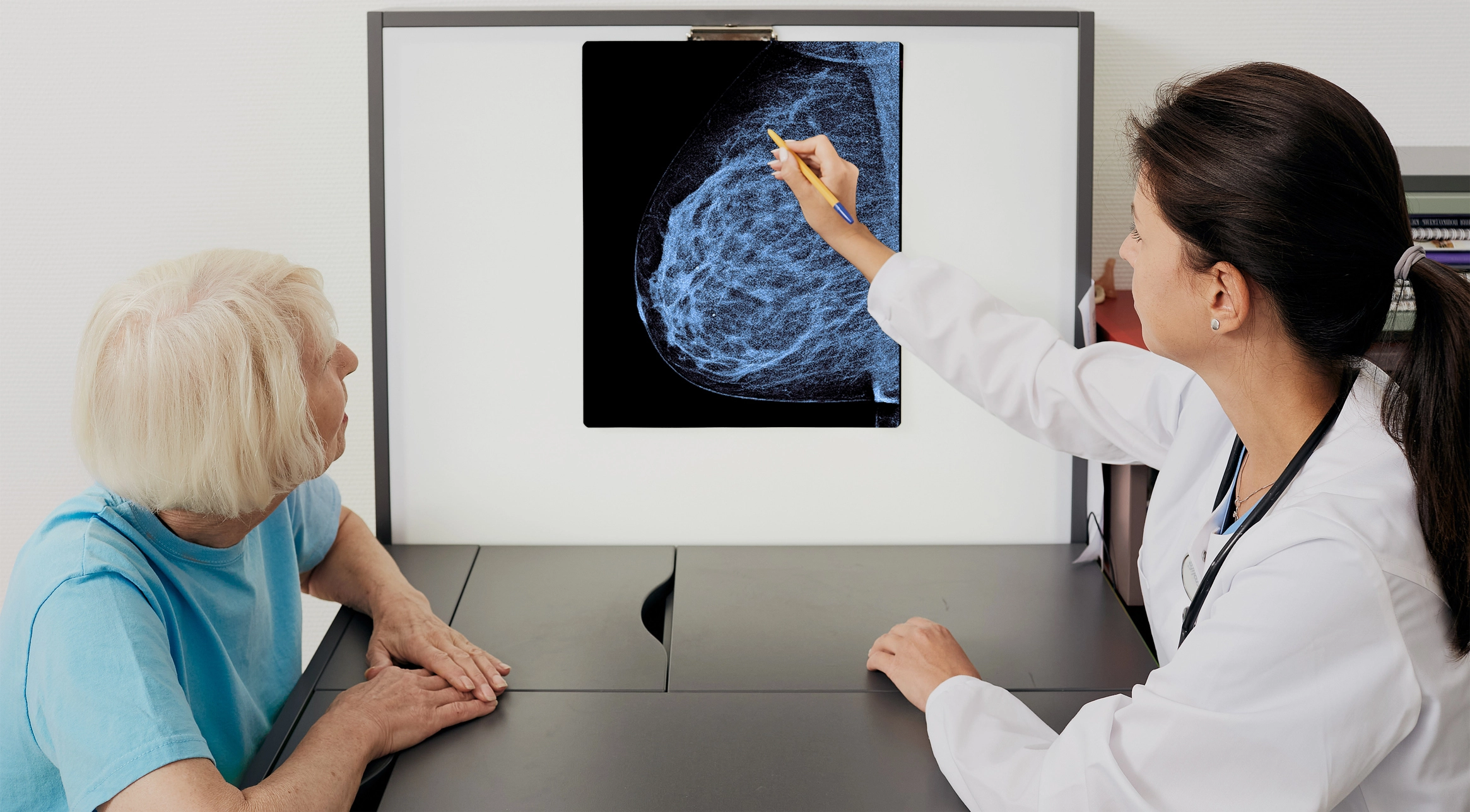
Dense breast tissue can affect how breast cancer appears on a mammogram and may increase breast cancer risk. Learn about breast density, mammogram results, additional screening options, and questions to discuss with your healthcare provider.

Learn about metastatic breast cancer, also known as stage IV breast cancer, including treatment options and clinical trials available through Minnesota Oncology.

Understanding your breast cancer risk can help you make informed decisions about screening and early detection. Learn about risk factors and personalized breast cancer screening options.