

This content is courtesy of Mayo Clinic, the No. 1 hospital in the nation according to U.S. News & World Report. Minnesota Oncology is a member of the Mayo Clinic Care Network. This relationship provides us with access to information, knowledge and expertise from Mayo Clinic.
April is Sexually Transmitted Infections Awareness Month. About 70% of cancers in the oropharynx, which includes the tonsils, soft palate and base of the tongue, are linked to the HPV virus, according to the Centers for Disease Control and Prevention. So it's important to talk to your health care team about the HPV vaccine, especially if you are 26 years old or younger.
In addition to the importance of the HPV vaccine, you can lower your risk of many head and neck cancers by not smoking or using smokeless tobacco products, limiting alcohol consumption, using condoms or dental dams during oral sex, using lip balm that contains sunscreen and visiting the dentist regularly.
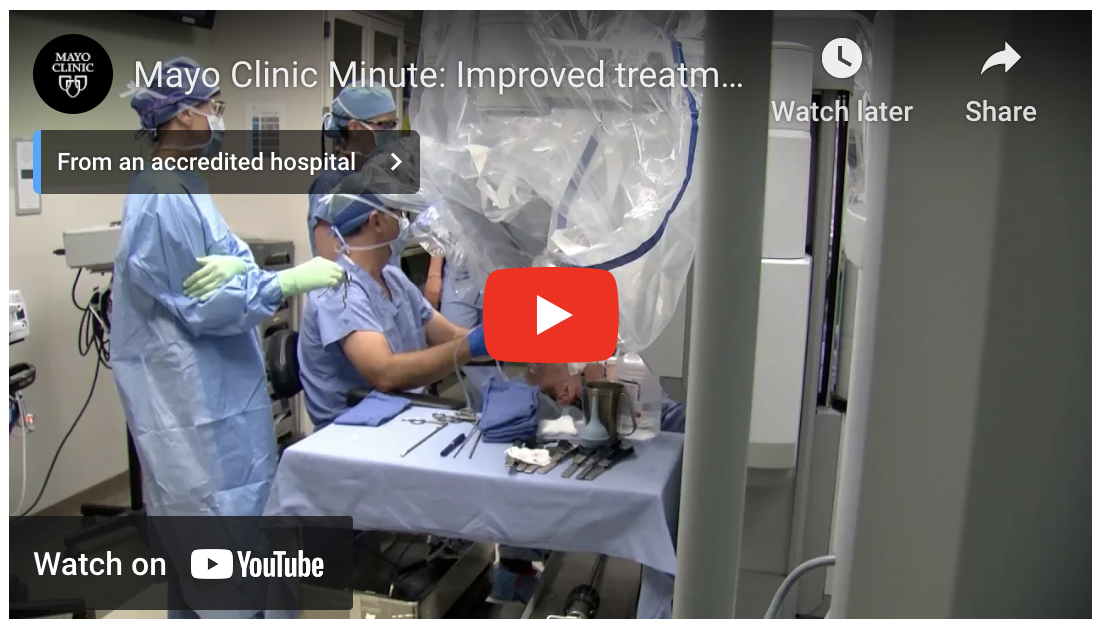
Read the script.
In the past, treatment for head and neck cancer was referred to as "heavy handed" — often curing the cancer but with long-term side effects.
"Trouble swallowing, chronic dry mouth, pain in their neck, scarring and fibrosis, difficulty eating, difficulty eating are some of those side effects," says Dr. Eric Moore, a Mayo Clinic otorhinolaryngologist.
But now in the new era of minimally invasive surgery ...
"We have one of the greatest access points in the body at our disposal — the mouth," says Dr. Moore. "If we can get our instruments into the mouth and get visualization in the mouth, then we can approach the tumor and take it out without any significant incisions."
Once the tumor is removed, treatment still may include decreased doses of radiation therapy, chemotherapy and immunotherapy.
"More than 90% of the tumors we see are treated and cured. So the prognosis is good," says Dr. Moore. "And we want the treatment effect to be as minimal as possible as that person goes on to live year after year."
Share
Categories
Tags
Recent Posts

Dense breast tissue can affect how breast cancer appears on a mammogram and may increase breast cancer risk. Learn about breast density, mammogram results, additional screening options, and questions to discuss with your healthcare provider.

Learn about metastatic breast cancer, also known as stage IV breast cancer, including treatment options and clinical trials available through Minnesota Oncology.

Understanding your breast cancer risk can help you make informed decisions about screening and early detection. Learn about risk factors and personalized breast cancer screening options.