
{image_1} Taniesha Seedorff, radiation therapist at Minnesota Oncology’s Maplewood Cancer Center, recently received the “Outstanding Achievement in Radiation Oncology & Diagnostic Imaging for Radiation Therapy” award for the entire US Oncology Network. This award is presented annually to one clinical staff member who makes a significant contribution to patient care and management. Seedorff, a 10-year employee of Minnesota Oncology, was selected for this award because she makes a profound impact on oncology patient care and inspires others to foster a work environment built on teamwork.
Seedorff has served as president of the Twin Cities Radiation Therapist organization for two terms and is a student coordinator for University of Minnesota radiation therapy students who rotate through Minnesota Oncology facilities. Seedorff also serves as a mentor to new therapists and continually looks for ways to add value to the department and expand her knowledge base; such as with contouring in radiation dosimetry and providing cross-coverage to the Saint Paul Cancer Center.
“Taniesha is an ideal recipient of this award,” said Maplewood Cancer Center clinic manager Rhonda Henschel. “Her genuine commitment to being a radiation therapist and an employee of Minnesota Oncology creates a positive experience for patients and fosters a work environment built upon collaboration and teamwork.”
Congratulations, Taniesha!
Share
Categories
Tags
Recent Posts
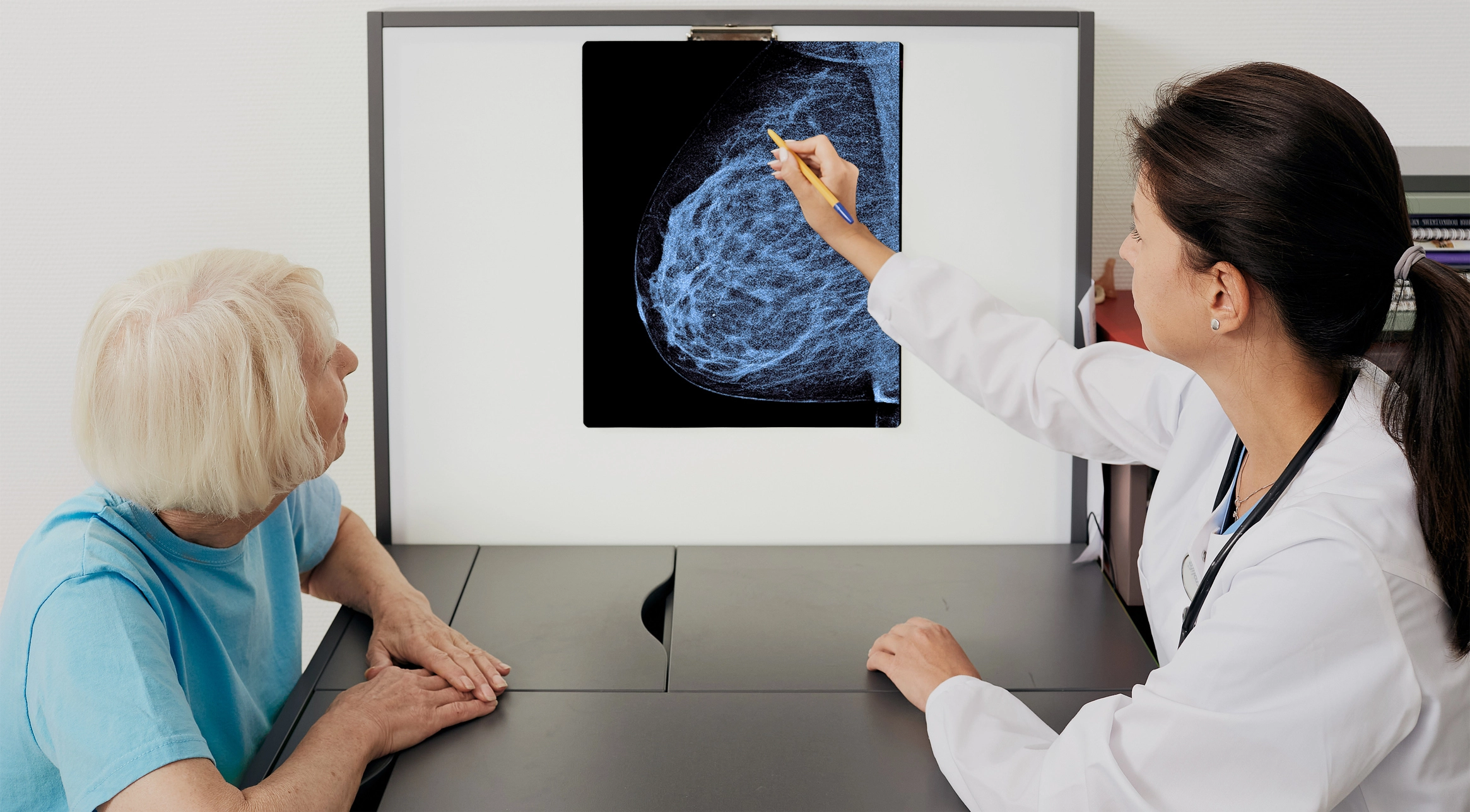
Dense breast tissue can affect how breast cancer appears on a mammogram and may increase breast cancer risk. Learn about breast density, mammogram results, additional screening options, and questions to discuss with your healthcare provider.

Learn about metastatic breast cancer, also known as stage IV breast cancer, including treatment options and clinical trials available through Minnesota Oncology.

Understanding your breast cancer risk can help you make informed decisions about screening and early detection. Learn about risk factors and personalized breast cancer screening options.