

A cancer diagnosis affects more than the person receiving treatment. Many parents and caregivers find themselves facing difficult questions about how to talk to children about cancer in a way that is honest, age-appropriate, and reassuring.
While every family is different, open communication can help children feel informed, supported, and less anxious during a time of uncertainty.
Start with Simple, Honest Conversations
Many parents and caregivers want to protect children from difficult news, but children often notice when something has changed. Sharing information early can help reduce confusion and prevent children from filling in gaps with their own assumptions or fears.
Children do not need every detail about a diagnosis or treatment plan. For example, it may be helpful to explain that treatment could lead to changes in daily routines, energy levels, or time spent at medical appointments. As treatment progresses, continuing to answer questions and provide updates can help children feel informed and supported.
Remember That Every Child Responds Differently
There is no "right" way for a child to react to a loved one's cancer diagnosis.
Some children may:
-
Ask lots of questions
-
Become quiet or withdrawn
-
Act out at home or school
-
Worry about changes in their daily routine
-
Seem unaffected at first and revisit the conversation later
Keeping routines as consistent as possible and creating opportunities for open conversation can help children feel supported during uncertain times.
Resources for Families
Families do not have to navigate these conversations alone. Minnesota Oncology works closely with Angel Foundation, a Minnesota-based nonprofit that supports individuals and families affected by cancer.
One resource available through Angel Foundation is Angel Packs™, which are designed to support children when an adult in their life is diagnosed with cancer. The packs include activities, coping tools, and a parent guidebook that can help families have age-appropriate conversations about cancer and its impact on daily life.
Angel Packs are available at no cost to eligible cancer patients within Angel Foundation's service area and provide practical tools to help children better understand and cope with a loved one's diagnosis.
Moving Forward Together
Talking with children about cancer can feel overwhelming, but honest communication and the right support can help families navigate these conversations with confidence.
At Minnesota Oncology, we are committed to supporting patients and their loved ones throughout the cancer journey. If you have questions about resources available to your family, speak with your care team to learn more about support services that may be available.
Share
Categories
Tags
Recent Posts

Explore common liver cancer risk factors, understand why changes in your health matter, and learn when to discuss concerns with your healthcare provider.
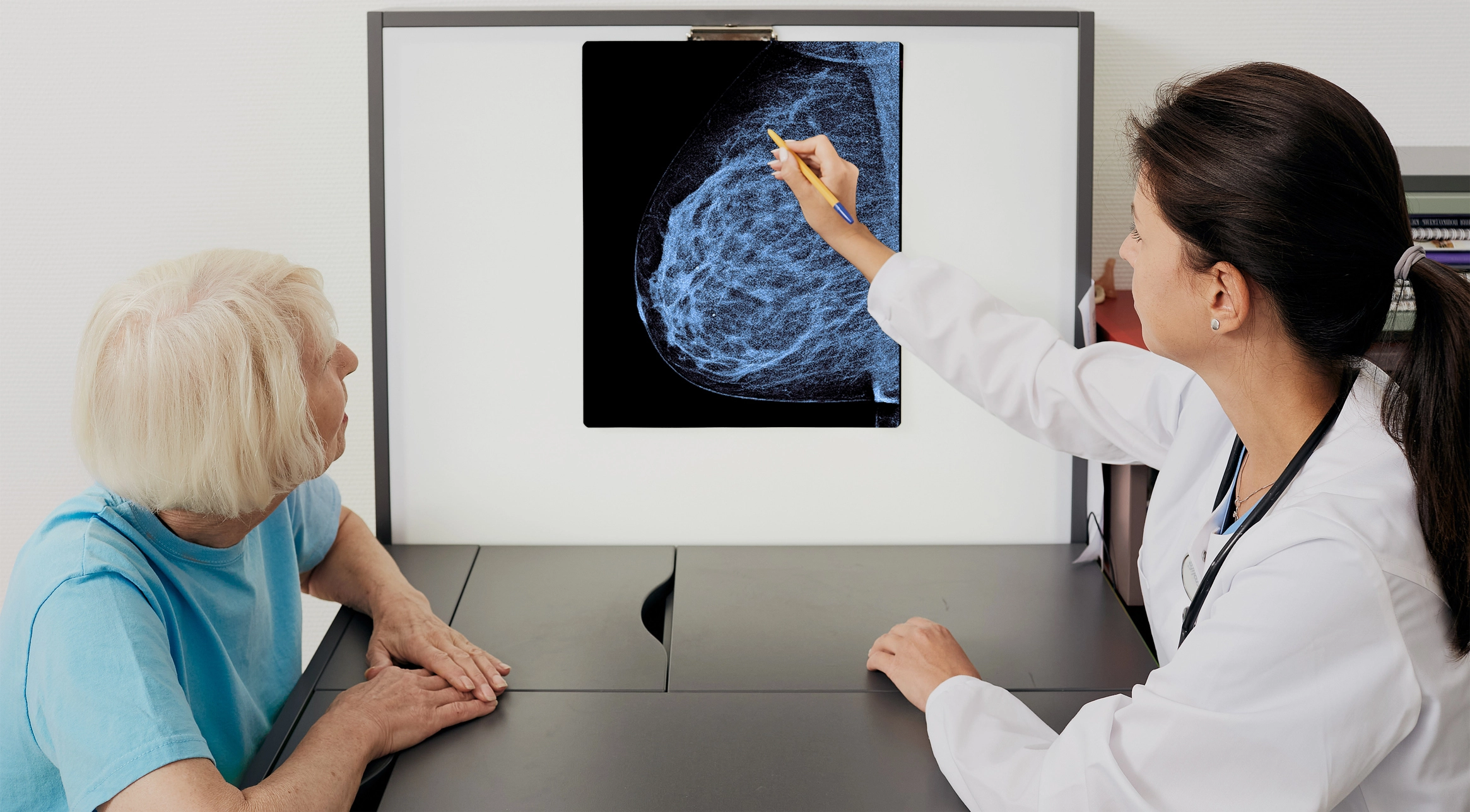
Dense breast tissue can affect how breast cancer appears on a mammogram and may increase breast cancer risk. Learn about breast density, mammogram results, additional screening options, and questions to discuss with your healthcare provider.

Learn about metastatic breast cancer, also known as stage IV breast cancer, including treatment options and clinical trials available through Minnesota Oncology.