

Cancer treatment can affect many aspects of your health, including your bones. While bone health may not always be top of mind during treatment, taking steps to keep your bones strong can help reduce the risk of complications and support your overall well-being.
Some cancer treatments, including certain hormone therapies, chemotherapy medications and long-term steroid use, may contribute to bone loss over time. Depending on your diagnosis and treatment plan, your provider may also recommend monitoring your bone health throughout treatment and into survivorship.
Why bone health matters
Healthy bones provide the strength and support your body needs to stay active. When bones become weaker, the risk of fractures and mobility issues can increase.
Not every patient will experience bone loss during cancer treatment, but understanding your individual risk can help you and your provider make informed decisions about your care. Factors such as the type of cancer, treatment received, age and overall health all play a role.
Ways to support healthy bones
There are several everyday habits that can help support bone health during and after treatment.
-
Stay physically active. Weight-bearing activities, such as walking or strength training, can help maintain bone strength. Always check with your provider before beginning a new exercise program.
-
Eat a balanced diet. Calcium and vitamin D are important nutrients for healthy bones. Eating a variety of nutrient-rich foods can help support bone health, and your provider can let you know if supplements are appropriate for you.
-
Avoid smoking and limit alcohol. Both can contribute to bone loss and increase the risk of fractures over time.
-
Keep up with recommended follow-up care. Depending on your medical history and treatment, your provider may recommend bone density screenings or other evaluations to monitor your bone health.
Know when to speak up
If you experience ongoing bone pain, notice changes in your mobility or have concerns about falls or fractures, don't ignore them. Reporting new symptoms early allows your provider to determine whether additional evaluation or treatment is needed.
It's also important to discuss any vitamins or supplements before adding them to your routine, as your treatment plan and nutritional needs are unique.
Supporting your health beyond treatment
Cancer care is about more than treating the disease. It's also about helping you stay as healthy and active as possible during treatment and into survivorship. Making bone health part of your overall care plan can help you continue doing the activities that matter most.
If you have questions about your treatment or bone health, talk with your Minnesota Oncology provider at your next visit.
Share
Categories
Tags
Recent Posts

Explore common liver cancer risk factors, understand why changes in your health matter, and learn when to discuss concerns with your healthcare provider.
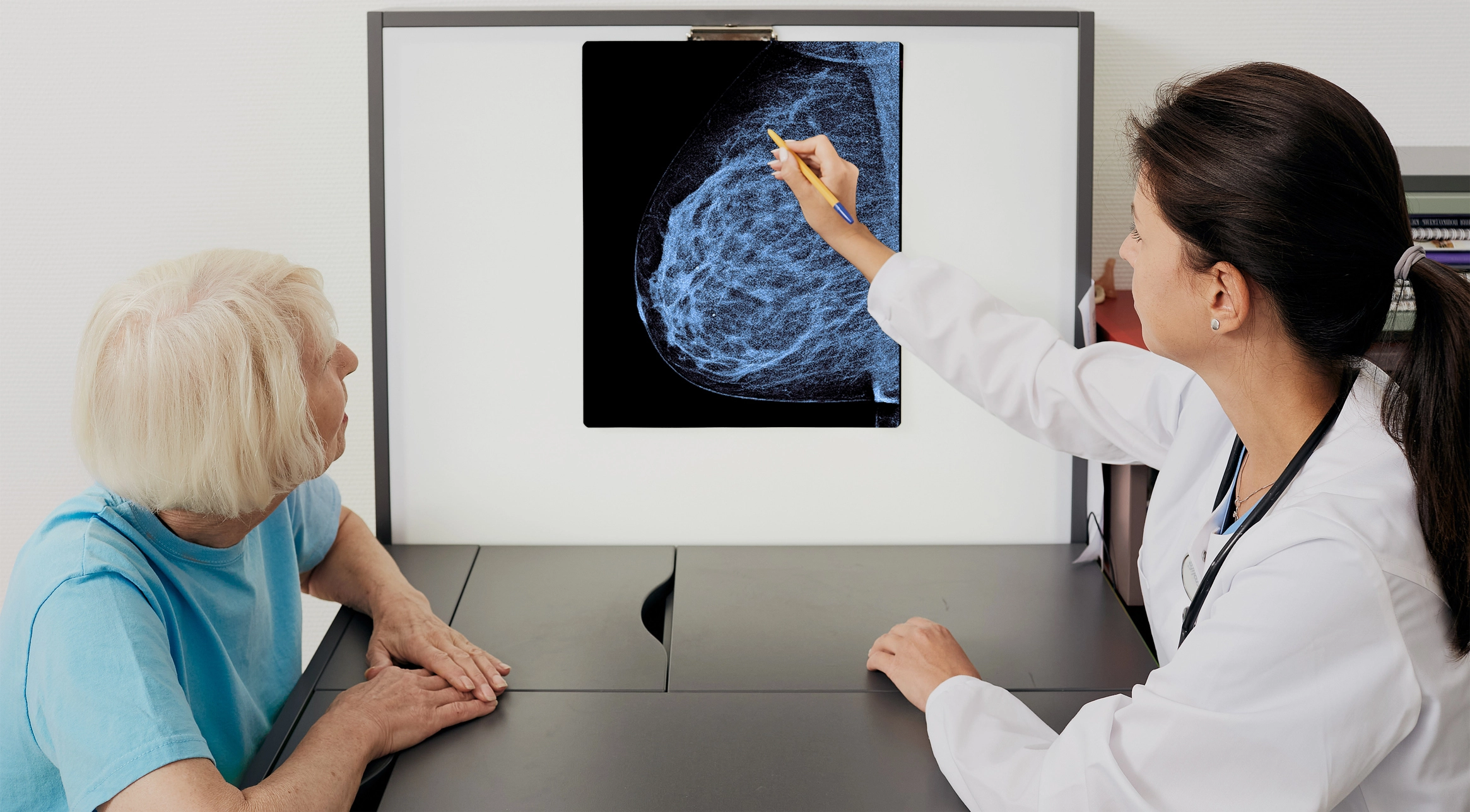
Dense breast tissue can affect how breast cancer appears on a mammogram and may increase breast cancer risk. Learn about breast density, mammogram results, additional screening options, and questions to discuss with your healthcare provider.

Learn about metastatic breast cancer, also known as stage IV breast cancer, including treatment options and clinical trials available through Minnesota Oncology.