
This content is courtesy of Mayo Clinic, the No. 1 hospital in the nation according to U.S. News & World Report. Minnesota Oncology is a member of the Mayo Clinic Care Network. This relationship provides us with access to information, knowledge and expertise from Mayo Clinic.
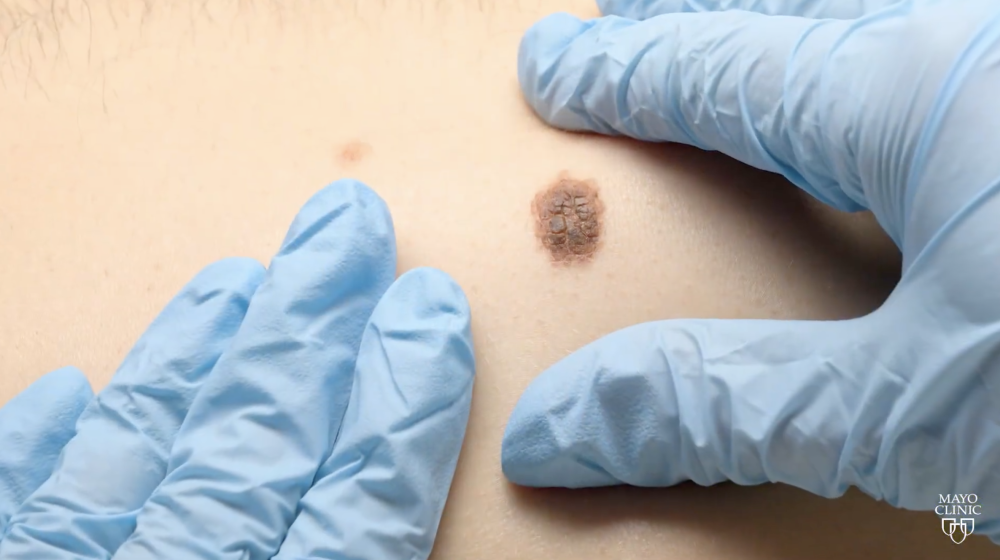
Melanoma is the most serious type of skin cancer. It develops in the cells that produce the pigment in your skin that gives it color. It most often occurs on skin that is exposed to the sun, but can develop in your eyes and, rarely, inside your body, including in your nose and throat.
Researchers say men are more likely to die from melanoma than women. And by the time a man is 50, the likelihood of developing melanoma increases every year, compared with women.
So how do you prevent it? While the exact cause of all melanomas isn't clear, Mayo Clinic dermatologists do know that limiting your exposure to ultraviolet radiation from the sun and tanning beds will reduce your risk.
"The main risk factors for melanoma are sun exposure, amount of sun exposure, high-level sun exposure — meaning sunburns — but also light skin color," says Dr. Aleksandar Sekulic, a Mayo Clinic dermatologist.
The most common places for melanoma to occur are body parts exposed to the sun, including the face, back, arms and legs. The first signs are often a change to an existing mole or an unusual-looking growth on the skin.
"The big problem with melanoma is not only that it starts in the skin, but that it can spread. And it can be deadly," says Dr. Sekulic.
Avoid prolonged exposure to the sun, especially in the middle of the day to prevent sunburns. Wear protective gear outside, such as a broad-brimmed hat, tightly woven clothing that covers your arms and legs, and sunglasses to protect your eyes. And use sunscreen generously with a sun protection factor of 30 or higher on exposed areas of skin. Reapply at least every two hours. And if you're swimming or sweating, use water- and sweat-resistant sunscreen.
"It's very important to check your own skin. If you identify something that is new, that is changing and not resolving with simple moisturization in several weeks, I think it would be good to bring it to the attention of your physician," says Dr. Sekulic.
Share
Categories
Tags
Recent Posts

Learn the answers to five common questions about immunotherapy, including how it works, how it is given, potential side effects and how they are managed.

Staying active during cancer treatment can look different for everyone. Learn how small amounts of movement can support strength, stamina and overall well-being while working with your care team to find an approach that works for you.

Learn who may qualify for lung cancer screening, how low-dose CT (LDCT) screening can help detect lung cancer early, and why knowing your risk is an important part of early detection.