
Minnesota Oncology will be implementing a new patient portal beginning on Monday, August 10, 2020. We are pleased to provide this new and improved portal to our patients from Navigating Care, the same company that provides the HealthTracker app we implemented recently for remote side effect and symptom management.
Use the Navigating Care portal to:
- Access your health information 24/7
- Receive personalized patient education
- Be prepared for your doctor visits
- Complete forms from home
- Review lab and test results
- Communicate with secure messaging
- Find support and connect with others
- Track appointments and events
- And more
Registration is easy! Provide your clinic with a valid email address and you’ll receive an invitation in your email inbox with a link to start the registration process. If your clinic does not have your email address on file, please contact your clinic and provide your email address.
Watch these short videos to learn more:
Introduction to the Navigating Care Patient Portal
Registering for your Patient Portal
Please contact your clinic with any questions. More information will also be available in our clinics as well.
The current patient portal, MyCarePlus, will be accessible to patients until Monday, August 17.
Share
Categories
Tags
Recent Posts
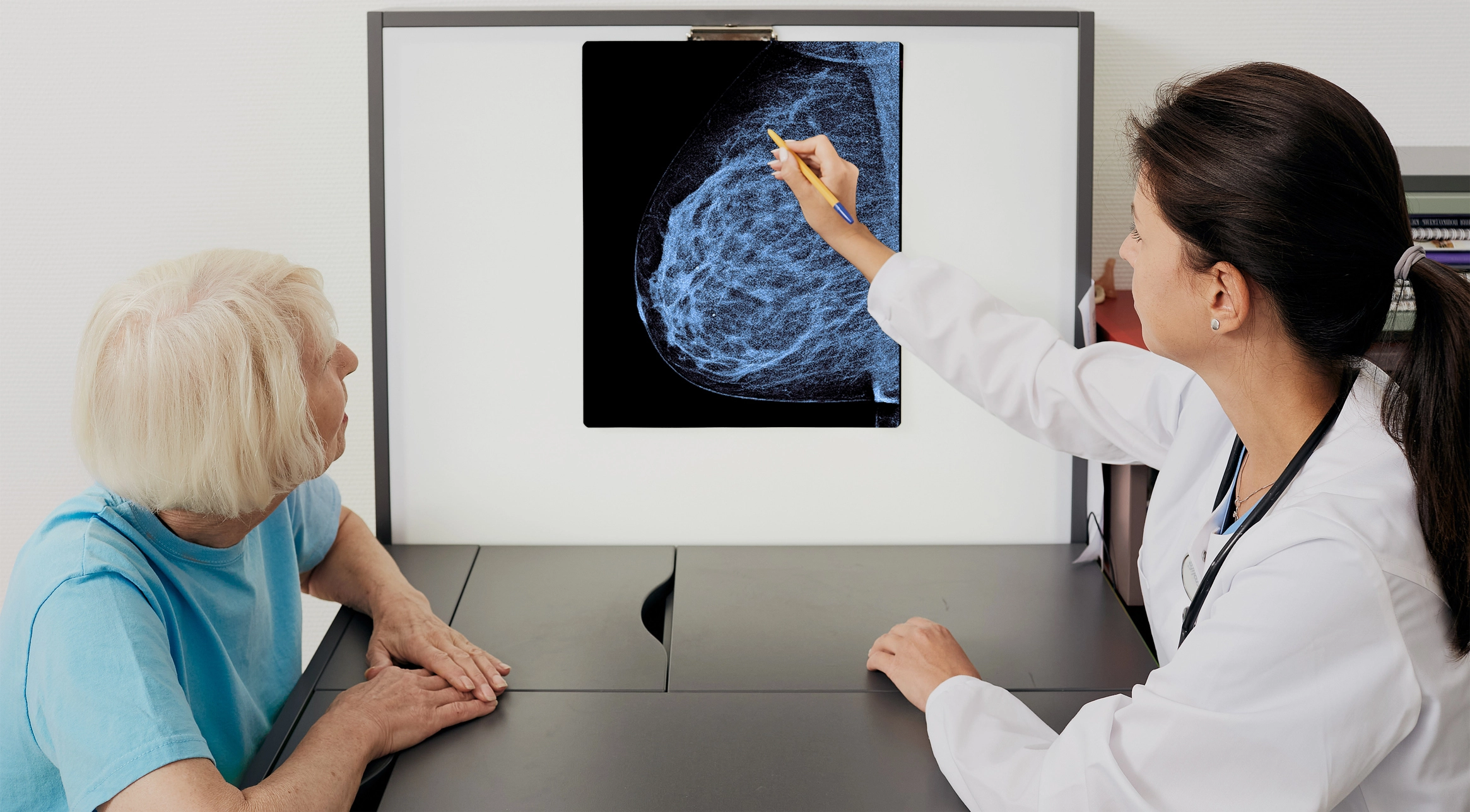
Dense breast tissue can affect how breast cancer appears on a mammogram and may increase breast cancer risk. Learn about breast density, mammogram results, additional screening options, and questions to discuss with your healthcare provider.

Learn about metastatic breast cancer, also known as stage IV breast cancer, including treatment options and clinical trials available through Minnesota Oncology.

Understanding your breast cancer risk can help you make informed decisions about screening and early detection. Learn about risk factors and personalized breast cancer screening options.