

Getting more educated on skincare and skin cancer is one of the best ways to help prevent and detect it early. As Twin Cities residents, it might be easy to assume we don’t get enough sun exposure to worry too much about skin cancer, but no matter where you live, there are still risks being aware of.
One reason for this is the amount of misinformation around skin cancer. There are many common myths that people assume are true, which can lead to unnecessary risk. Here, we’ll go through some of the most common myths and what you should know to better protect your skin.
Myth 1: People of color can’t get skin cancer
Truth: Anyone can get skin cancer, regardless of skin tone. It can develop even without a history of sunburn. Unfortunately, skin cancer in people of color is often diagnosed at a later stage, which can make it more difficult to treat. That’s why it’s important to regularly do self-exams and let your doctor know if you notice any changes.
Myth 2: Reducing sun exposure means you can stop worrying about skin cancer
Truth: While limiting sun exposure is important, it’s only one part of reducing your risk. Skin cancer can be influenced by several factors beyond time spent in the sun.
Some of these include:
Family history – If someone in your family has been diagnosed with skin cancer, your risk may be higher. Understanding your family history is an important part of prevention.
Other UV exposure – Ultraviolet (UV) rays can also come from sources like tanning beds, which if used before age 35 can significantly increase your risk of developing melanoma, the deadliest form of skin cancer, by approximately 75%.
Reducing sun exposure is a key step, but it’s important to consider all risk factors and take a more complete approach to protecting your skin.
Myth 3: Higher sunscreen SPF offers better protection against skin cancer
Truth: It’s easy to assume that a higher SPF provides significantly better protection. In reality, the difference between SPF levels is relatively small.
For example, SPF 30 blocks about 97% of harmful UV rays, while SPF 50 blocks around 98%. Even higher SPFs like SPF 100 which can absorb up to 99% of UV rays, only offer a slight increase in protection.
More importantly, sunscreen is only effective when it is used correctly. To provide adequate protection, it should be applied generously and reapplied every two hours, as well as after swimming or sweating.
In addition to sunscreen, it’s important to take other precautions, such as seeking shade and wearing protective clothing, especially during extended time outdoors.
Myth 4: If you never get a sunburn, you don’t have to worry about skin cancer
Truth: Even if you’ve never had sunburn, you can still develop skin cancer. Damage from UV exposure can occur over time, even without visible burns.
People who tan easily assume their skin is less at risk, but tanning is still a sign of UV exposure and skin damage.
Regardless of how your skin responds to the sun, it’s important to take steps to protect it, including using sunscreen, seeking shade, and limiting prolonged exposure.
Myth 5: Only older people are impacted by skin cancer
Truth: While the risk of skin cancer does increase with age, it can affect people at any stage of life. In fact, 1 in 5 Americans will develop skin cancer by the age of 70.
Younger individuals are also being diagnosed, due in part to increased awareness and screening, but also higher exposure to UV radiation. Melanoma, in particular, has been rising among young adults under 30. No matter your age, it’s important to take steps to protect your skin and be aware of any changes.
Myth 6: Sun exposure isn’t dangerous on a cloudy day
Truth: While clouds can reduce some sunlight, UV rays can still reach your skin even on overcast days. It’s a common misconception that sunscreen isn’t necessary when it’s cloudy, but UV exposure is still present and can cause skin damage over time.
That’s why it’s important to wear sunscreen daily and continue taking precautions, such as seeking shade, regardless of the weather.
Myth 7: Skin cancer only appears on areas exposed to the sun
Truth: Skin cancer can develop anywhere on the body, not just areas that are regularly exposed to the sun.
Because of this, it’s important to check your entire body during self-exams, including areas that may not get much sun, such as the soles of your feet and under your nails. Regular skin checks and routine visits with your provider can help detect any changes early.
Trusted Sources of Information on Skin Cancer
There is a lot of misinformation buzzing around, but it's important that you don't fall victim to believing these myths. You must be diligent when it comes to protecting your skin and your health. For more information, check out these resources:
Centers for Disease Control and Prevention
If you have been diagnosed with skin cancer – melanoma or nonmelanoma – one of our skin cancer specialists can help you through the process of treatment and guidance on how to help prevent it from returning.
Share
Categories
Tags
Recent Posts
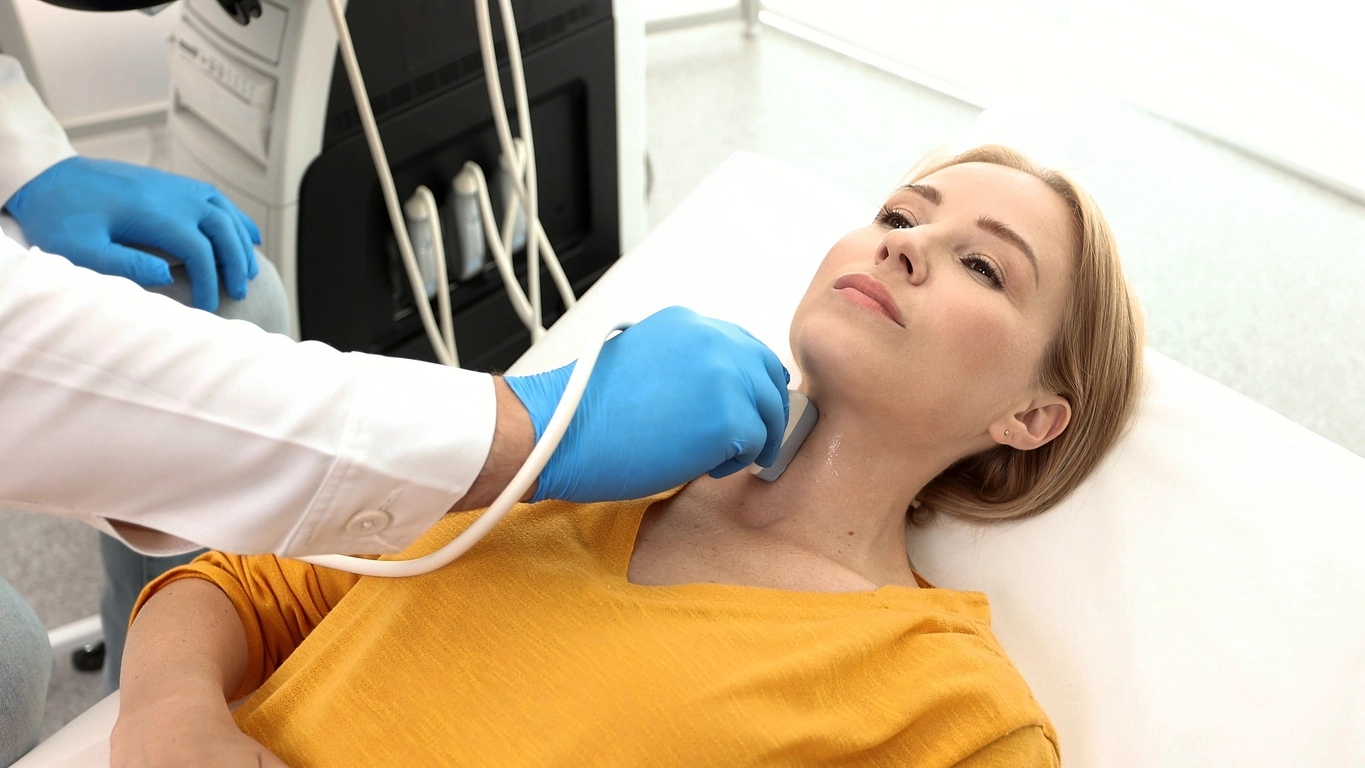
Learn about thyroid cancer, including common signs and symptoms, risk factors, and treatment options. Learn when to talk with your doctor about concerning symptoms.

Julie Sowles shares her journey with Stage IV endometrial cancer, from her initial diagnosis and intensive treatment to recurrence and participation in clinical trials. With the support of her family and care team at Minnesota Oncology, Julie continues exploring new treatment options and looking toward the future with hope.

Learn how inherited genetic factors and family history may affect your risk of ovarian cancer, including the role of BRCA1, BRCA2, and Lynch syndrome, and when genetic counseling or testing may be recommended.