

When people hear the word "survivor,” they often think of someone who has completed cancer treatment. But according to the National Cancer Institute, survivorship begins at the time of diagnosis and continues throughout a person's life.
This definition recognizes that cancer affects more than physical health. From the moment of diagnosis, patients may face questions about treatment, side effects, work, family responsibilities, and their future. Survivorship care is designed to help address those challenges every step of the way.
Survivorship Starts at Diagnosis
A cancer diagnosis can feel overwhelming. In addition to understanding a diagnosis and treatment plan, many patients are also trying to navigate questions about work, family responsibilities, finances, side effects, and what life may look like in the months ahead.
Because these concerns often begin long before treatment ends, survivorship care starts at diagnosis. Early conversations help identify a patient's unique needs and connect them with resources and support throughout their cancer journey, helping them feel more informed and prepared for what lies ahead.
Cancer Care Is More Than Treatment
Cancer care extends beyond appointments, scans, and medications. Many patients experience challenges such as fatigue, pain, emotional distress, nutrition concerns, sleep disruptions, financial burdens, or changes in their daily routines during and after treatment.
Addressing these issues often requires a team approach. In addition to oncology providers, patients may benefit from supportive services such as palliative care, social work, nutrition counseling, rehabilitation, or mental health resources.
Patients may also be connected with organizations like Angel Foundation, which provides financial assistance and support for individuals and families affected by cancer. Together, these resources help address the physical, emotional, and practical challenges that can arise during and after treatment.
Life After Treatment
Completing treatment is an important milestone, but it often comes with new questions. Patients may wonder what follow-up care will look like, how often they will need appointments, and how to manage lingering side effects.
Many survivors experience concerns such as fatigue, cognitive changes, physical limitations, or fear of recurrence. These challenges can continue long after treatment ends and may affect daily life in unexpected ways.
Survivorship care helps patients navigate this transition by providing guidance, education, and a personalized survivorship care plan that outlines treatment history, follow-up recommendations, and long-term health considerations.
Moving Forward
Every cancer journey is unique, but no one should have to navigate it alone. Survivorship care is designed to provide support, resources, and guidance throughout every stage of the cancer experience.
At Minnesota Oncology, we are committed to helping patients live well during and after cancer treatment by addressing the physical, emotional, and practical aspects of survivorship.
Learn more about Minnesota Oncology’s survivorship program.
Share
Categories
Tags
Recent Posts

Explore common liver cancer risk factors, understand why changes in your health matter, and learn when to discuss concerns with your healthcare provider.
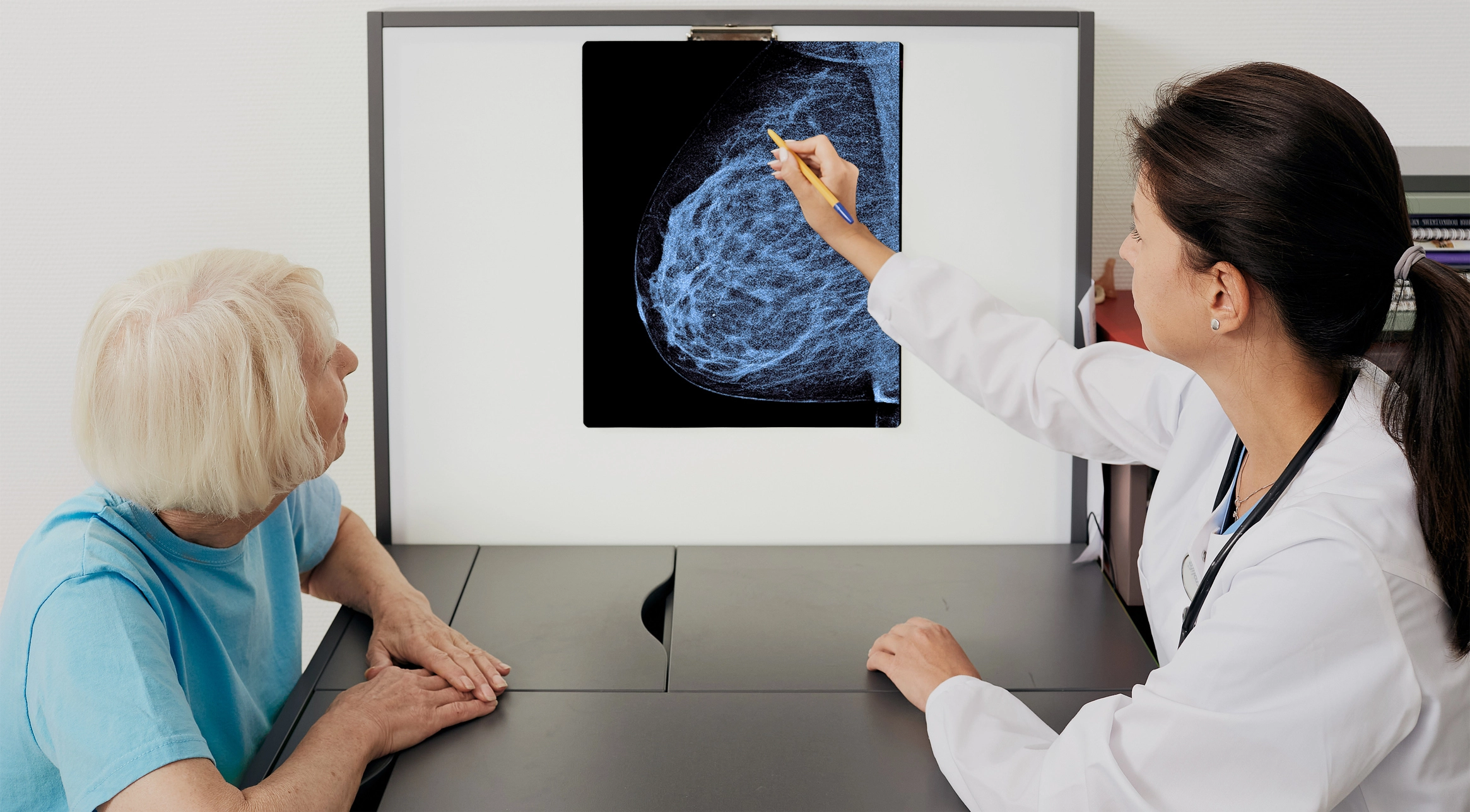
Dense breast tissue can affect how breast cancer appears on a mammogram and may increase breast cancer risk. Learn about breast density, mammogram results, additional screening options, and questions to discuss with your healthcare provider.

Learn about metastatic breast cancer, also known as stage IV breast cancer, including treatment options and clinical trials available through Minnesota Oncology.