

Ovarian cancer can develop for many reasons, and in some cases, inherited genetic factors may increase a person’s risk. While most cancers are not inherited, certain genetic mutations can make some people more likely to develop ovarian and other types of cancer.
Understanding your family history can help you and your doctor determine whether you may benefit from genetic counseling or testing.
How Do Inherited Genes Affect Ovarian Cancer Risk?
Genes are part of our DNA and provide instructions that help our cells function properly. A genetic mutation is a change in the usual DNA sequence of a gene. Some mutations are inherited from a parent, while others develop during a person’s lifetime.
Approximately 5% to 10% of ovarian cancers are hereditary through a mutation in the BRCA gene. Having an inherited mutation does not mean that you will definitely develop cancer, but it may increase your risk.
BRCA1 and BRCA2
BRCA1 and BRCA2 are two genes commonly associated with hereditary breast and ovarian cancer syndrome (HBOC). Mutations in these genes can increase the risk of breast and ovarian cancers.
A family history of ovarian or breast cancer may be an indication that an inherited BRCA mutation could be present. Family history on both sides of your biological family can be important when evaluating inherited cancer risk.
Lynch Syndrome
Lynch syndrome is another hereditary cancer syndrome. It is caused by mutations in genes involved in repairing mistakes in DNA. People with Lynch syndrome have an increased risk of several cancers, including colorectal and endometrial cancers, and it can also be associated with ovarian cancer.
Who Should Consider Genetic Testing?
Genetic testing may be recommended when a person's personal or family history suggests a possible hereditary cancer syndrome. Some factors that may warrant genetic counseling include:
-
A diagnosis of ovarian cancer
-
A family member with ovarian cancer
-
Several close relatives with cancer
-
Cancer diagnosed at a younger-than-average age
-
A known genetic mutation, such as BRCA1 or BRCA2, in the family
-
Multiple relatives with the same or related types of cancer
Genetic counseling can help you understand your family history, assess your potential risk, and determine whether genetic testing is appropriate.
Understanding Your Risk
Genetic testing can provide valuable information, but it cannot guarantee whether someone will or will not develop cancer. A genetic counselor can explain the benefits and limitations of testing and help you understand what your results may mean for you and your family.
If you’re concerned about your family history or inherited risk of ovarian cancer, learn more about genetic risk evaluation at Minnesota Oncology to determine whether genetic counseling or testing may be right for you.
Expert Gynecologic Oncology Care
If you or a loved one has been diagnosed with ovarian or another gynecologic cancer, Minnesota Oncology’s trusted gynecologic oncology team provides specialized care with access to care at multiple, convenient locations. Learn more about gynecologic oncology care at Minnesota Oncology.
Share
Categories
Tags
Recent Posts

Learn how inherited genetic factors and family history may affect your risk of ovarian cancer, including the role of BRCA1, BRCA2, and Lynch syndrome, and when genetic counseling or testing may be recommended.
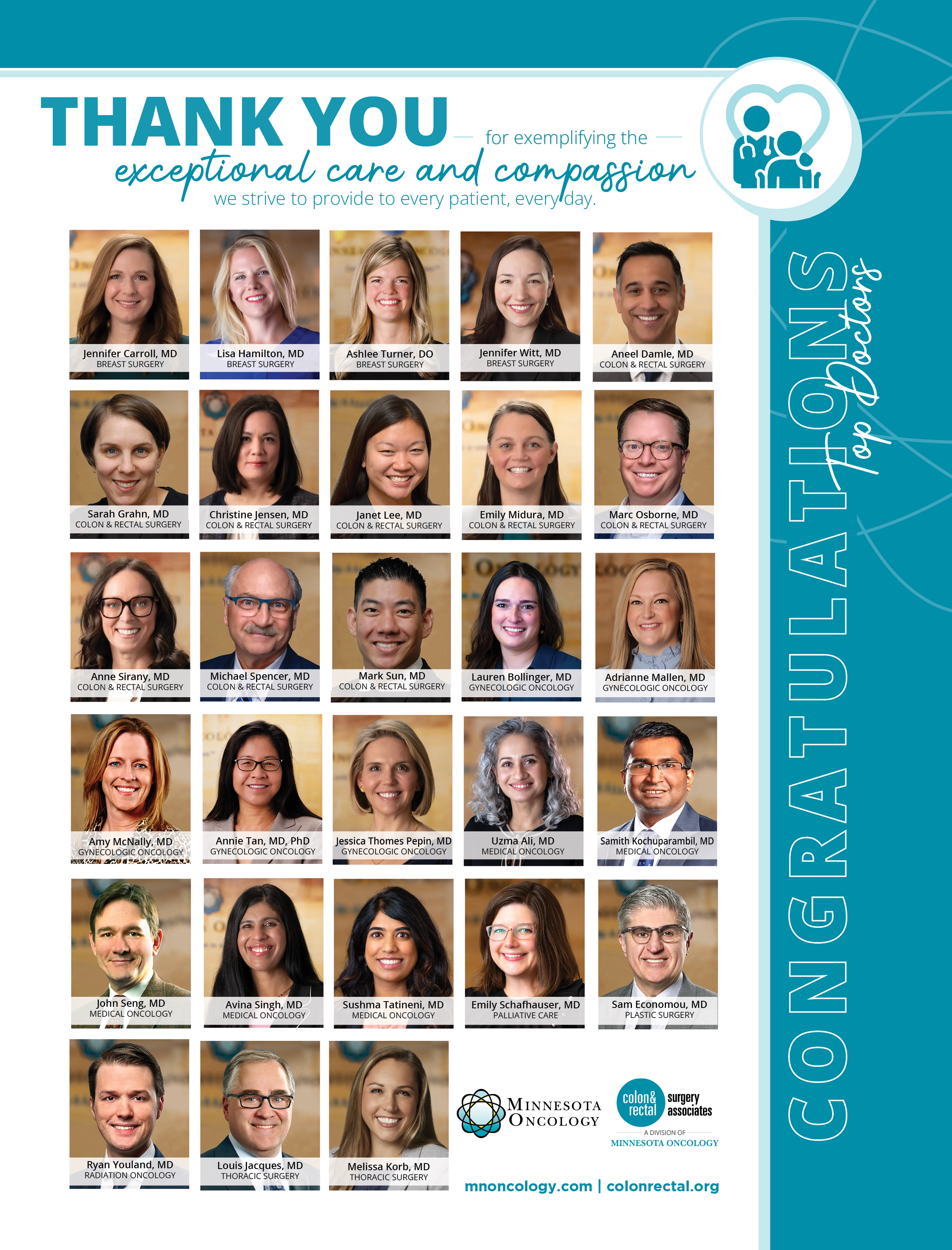
Minnesota Oncology is proud to celebrate 28 physicians recognized as 2026 Top Doctors by Minnesota Monthly. Learn more about this prestigious recognition and the physicians honored for their expertise and dedication to patient care.

Learn seven important facts about prostate cancer, including symptoms, PSA testing, screening, active surveillance and treatment options.