

Being told you need a breast biopsy can bring up questions and concerns. You may wonder why the procedure is necessary, what to expect during it, or what the results could mean. Understanding the process can help you feel more prepared for your next steps.
A breast biopsy removes a sample of tissue or cells from a suspicious area of the breast for examination in a laboratory. A biopsy may be recommended after an abnormality is found during a breast exam or on imaging, such as a mammogram or ultrasound. Needing a breast biopsy does not necessarily mean you have cancer. Many breast biopsies reveal noncancerous changes.
What Happens During a Breast Biopsy?
The type of biopsy recommended depends on the location of the abnormality and how it appears on imaging. Common approaches include:
Ultrasound-guided biopsy: Ultrasound helps the physician locate the abnormal area and guide the biopsy needle.
Stereotactic biopsy: Mammography helps locate the area being sampled. This approach is often used for calcium deposits or abnormalities that cannot be seen on ultrasound.
MRI-guided biopsy: Magnetic resonance imaging (MRI) guides the biopsy when an abnormality cannot be seen on a mammogram or ultrasound.
Other biopsy methods include core needle biopsy, which removes small samples of breast tissue, and fine needle aspiration, which uses a thin needle to collect cells or fluid.
Most image-guided breast biopsies use local anesthetic to numb the area. General anesthesia is typically not required, and scarring is usually minimal.
What to Expect After Your Biopsy
Bruising and some discomfort are common after a breast biopsy. Your care team may recommend wearing a supportive bra and using ice to help manage discomfort and bruising. Pain can often be managed with medications such as acetaminophen (Tylenol) or ibuprofen, as appropriate for your individual circumstances.
Many patients can resume normal activities within a day. Follow the specific aftercare instructions provided by your healthcare team.
Understanding Your Breast Biopsy Results
After the procedure, a pathologist examines the sample under a microscope to determine what changes are present.
Results generally fall into three categories:
Benign: The sample shows noncancerous changes, such as cysts or fibrocystic breast changes. Many benign conditions do not require surgery or affect future breast cancer risk.
Atypical: The sample contains abnormal cells that are not cancerous but may be associated with an increased risk of developing breast cancer. Your provider may recommend additional evaluation or discuss options to reduce your risk.
Cancerous: If cancer cells are identified, the pathology report provides information about the cancer type, grade, whether it is invasive or noninvasive, and hormone receptor status. Your care team uses these findings to help determine an appropriate treatment plan.
Learn More About Breast Care
If you have questions about your biopsy or results, talk with your healthcare provider. Minnesota Oncology's breast care team can help you understand your diagnosis and discuss appropriate next steps.
Learn more about breast biopsy services and understand your breast pathology report.
Share
Categories
Tags
Recent Posts
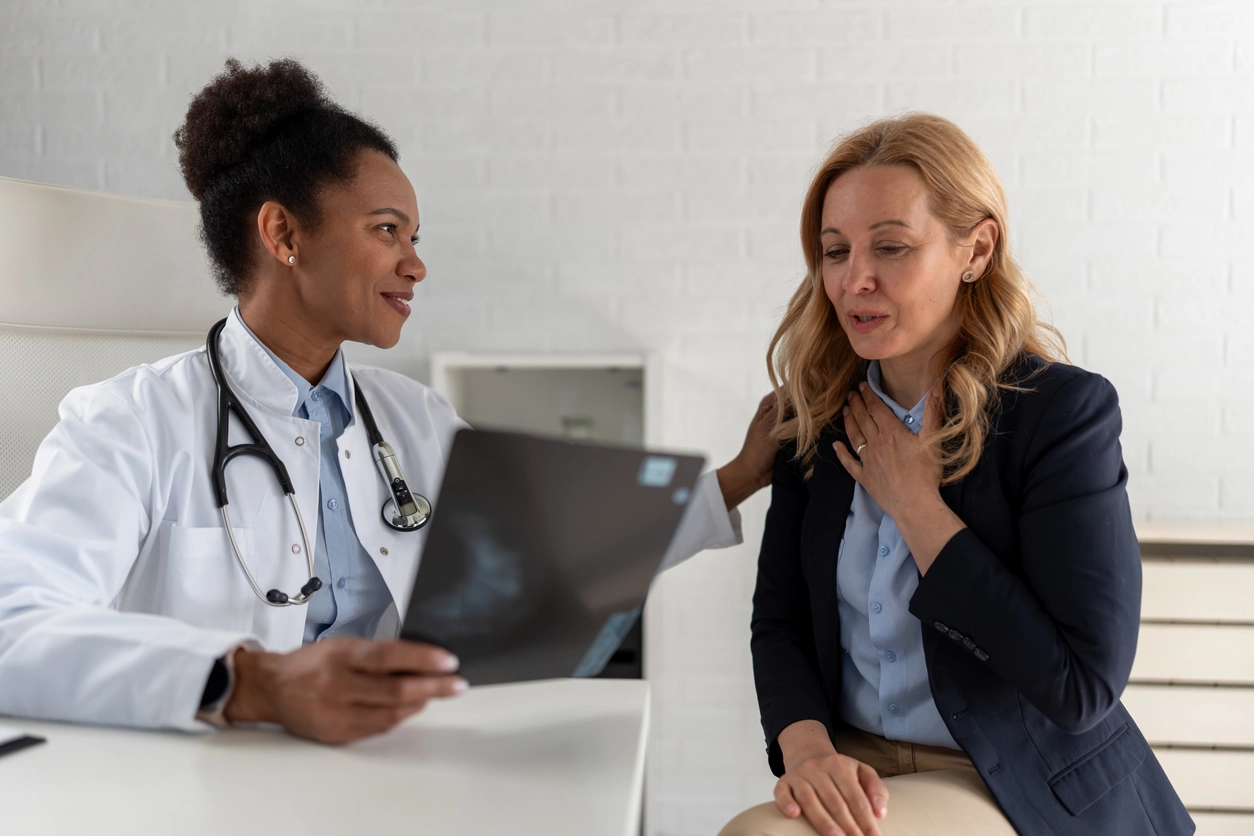
Learn about breast biopsy types, what to expect during recovery, and how to understand benign, atypical, and cancerous biopsy results.
Explore common liver cancer risk factors, understand why changes in your health matter, and learn when to discuss concerns with your healthcare provider.
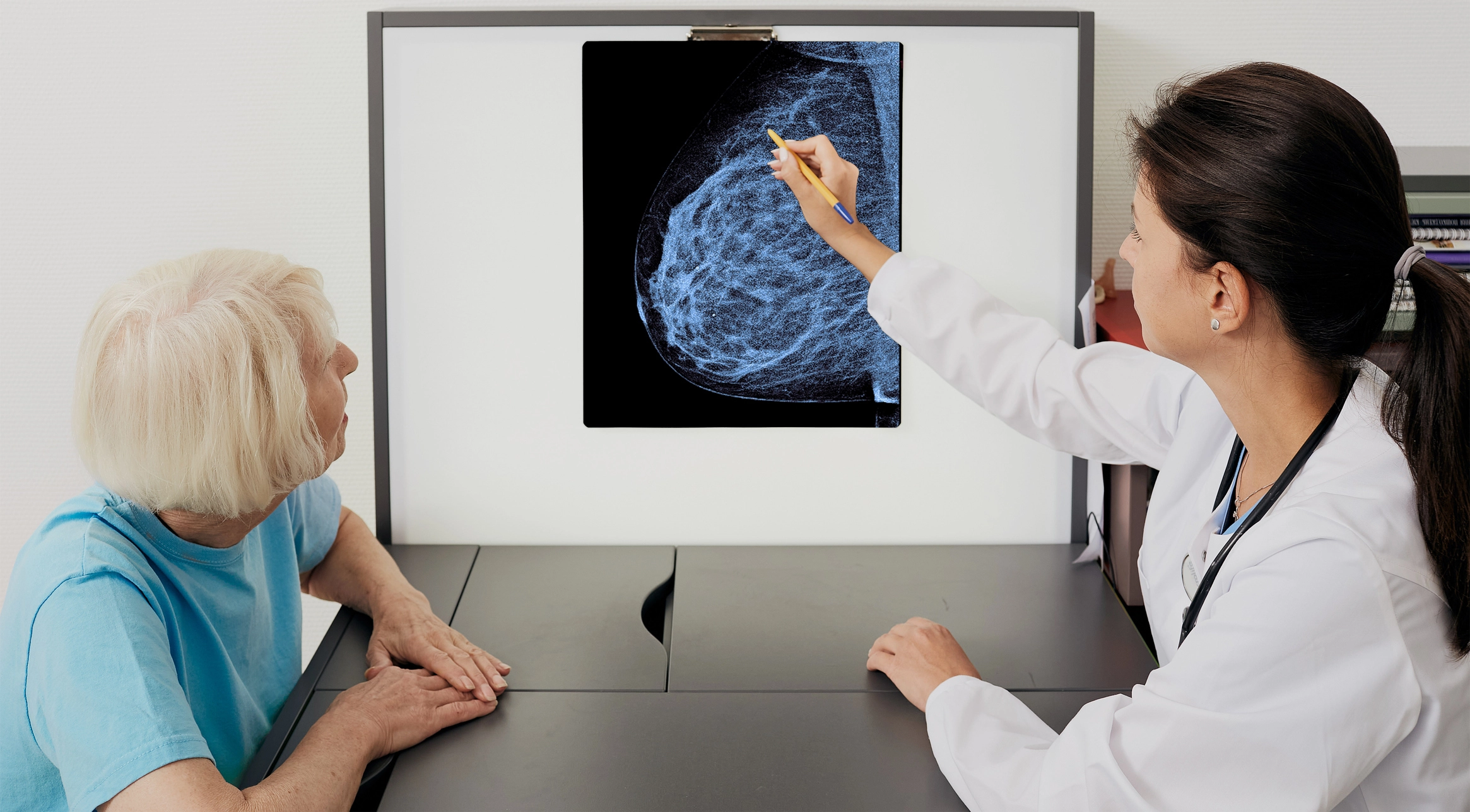
Dense breast tissue can affect how breast cancer appears on a mammogram and may increase breast cancer risk. Learn about breast density, mammogram results, additional screening options, and questions to discuss with your healthcare provider.